Army Picks Six Firms To Deliver UGV Prototypes For ‘Last Tactical Mile’ Operations
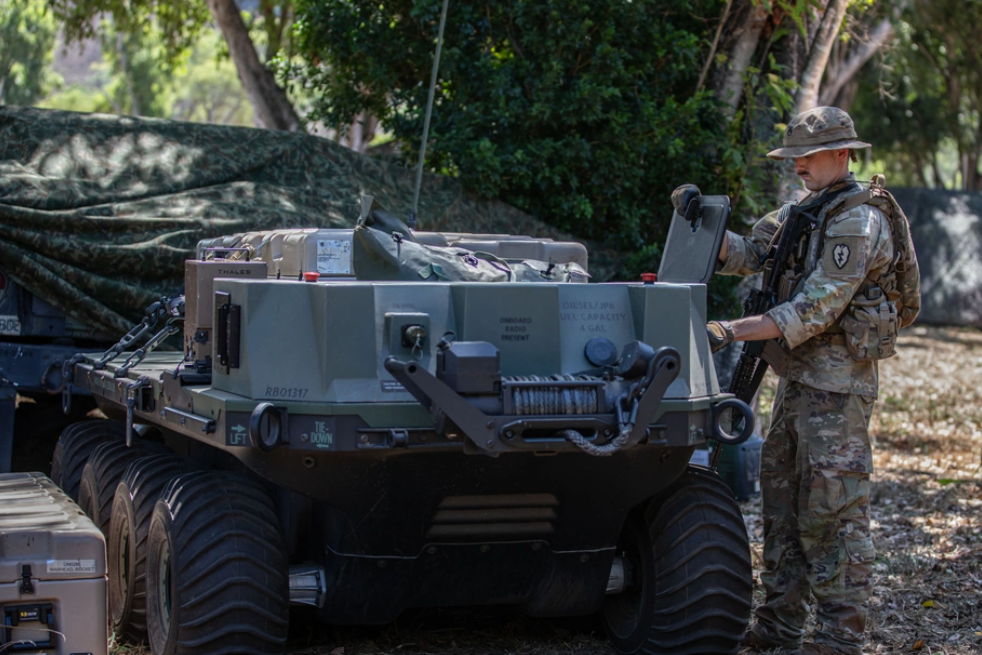
In a pivotal move that underscores the evolving landscape of military operations, the U.S. Army has selected six firms to develop prototypes of unmanned ground vehicles (UGVs) designed for 'last tactical mile' missions. This initiative marks a significant leap forward in how the Army intends to enhance its operational capabilities, particularly in complex environments where human presence may be limited or too risky. As warfare becomes increasingly influenced by technological advancements, this decision reveals a strategic commitment to leveraging robotics and automation in ground operations.
The selected firms—Textron Systems, General Dynamics Land Systems, Northrop Grumman, QinetiQ North America, Oshkosh Defense, and Tapestry Solutions—bring a wealth of experience and innovation to the table. Each company is tasked with delivering unique prototypes that will be rigorously evaluated for their ability to navigate the unpredictable terrain of tactical engagements. The 'last tactical mile' concept is crucial, as it focuses on the final stretch of logistics and support, where the need for speed, precision, and adaptability is paramount. This is particularly relevant in urban warfare scenarios, where traditional supply chains can be disrupted by enemy action or environmental factors.
The implications of this program extend far beyond the battlefield. For builders and investors in the defense industry, the Army's commitment to UGVs suggests a growing market for advanced robotics and automation technologies. As the demand for these capabilities increases, companies that invest in innovative solutions for unmanned systems will likely see significant opportunities for growth and development. Furthermore, the collaboration between established defense contractors and emerging technology firms may foster a new wave of innovation, particularly in software development, artificial intelligence, and autonomous systems integration.
The timing of this initiative is particularly noteworthy, as global military dynamics continue to shift. Nations around the world are rapidly advancing their own defense technologies, and the U.S. must maintain its competitive edge. The integration of UGVs into military operations could provide the Army with a strategic advantage by improving reconnaissance, logistics, and even combat capabilities. Moreover, this initiative aligns with broader trends in defense procurement that prioritize speed, flexibility, and cost-effectiveness—key attributes that are essential for modern military operations.
As we look to the future, the success of these UGV prototypes will be a critical indicator of how the Army adapts to emerging threats and operational challenges. The outcomes of these prototypes could inform future defense strategies and procurement decisions, potentially setting a precedent for the integration of unmanned systems across various branches of the military. For the defense community, this development not only represents a technological evolution but also a reimagining of how military operations can be conducted in an increasingly complex and contested global landscape. The road ahead is promising, but it will require continuous innovation, collaboration, and investment to fully realize the potential of these unmanned systems in achieving mission success.