
Army ‘not walking away’ from UAVs despite reverting drone unit back to infantry
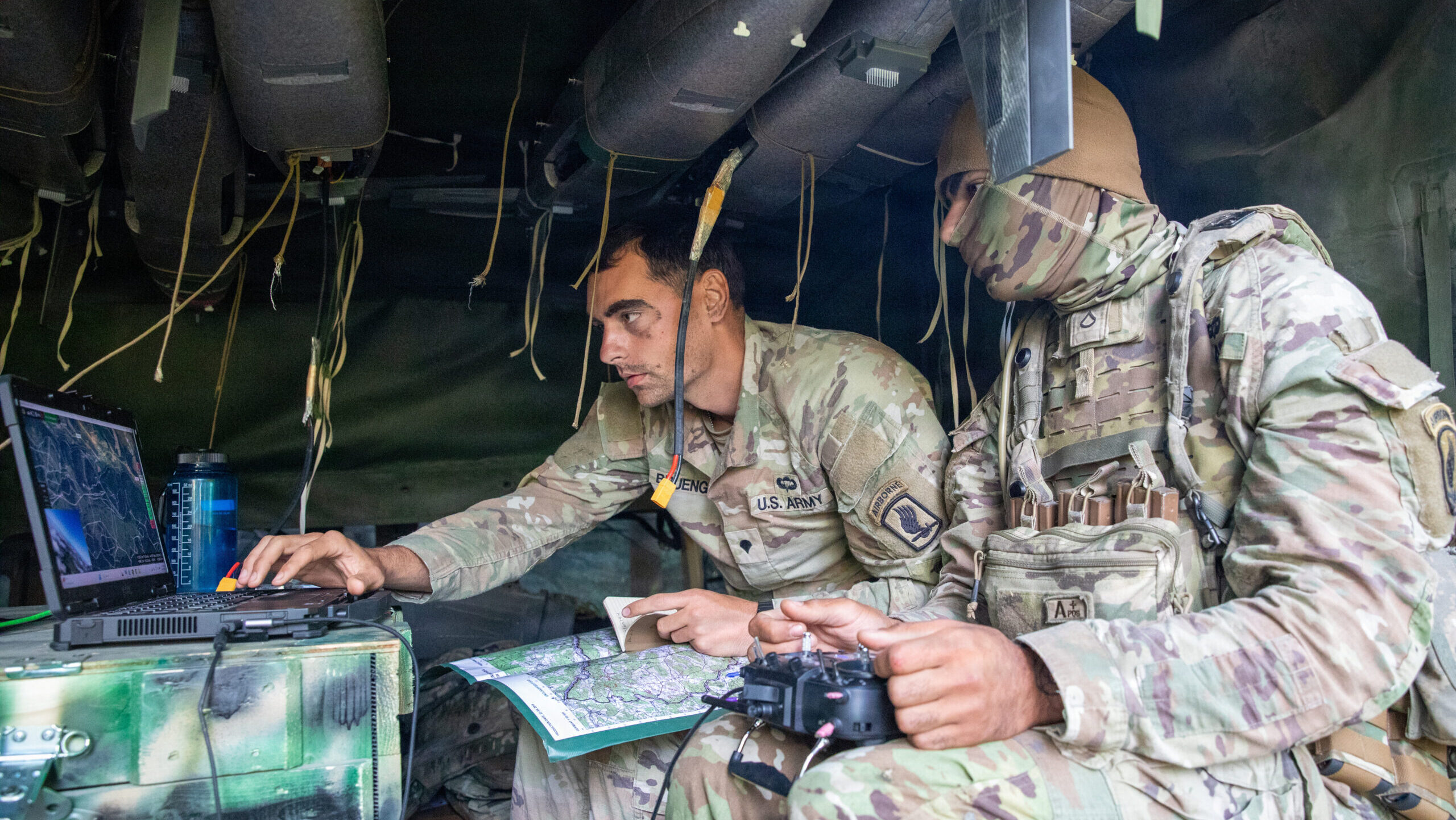
In an unexpected move that has resonated throughout the defense community, the U.S. Army has decided to revert its Unmanned Aerial Vehicle (UAV) unit back to an infantry battalion, provoking discussions about the future of drone operations in military strategy. Despite this reversion, Army officials have emphasized that they are 'not walking away' from UAVs, signaling a complex evolution in the use of unmanned systems and their integration within traditional military frameworks. This decision reflects not only operational dynamics but also the broader strategic implications for how the Army perceives the role of technology in modern warfare.
The shift of the UAV unit back to infantry highlights a tension that exists within the military between innovative technologies and established ground combat methodologies. The Army's pivot suggests a reevaluation of how UAVs are deployed in conjunction with ground forces, rather than as standalone systems. As military engagements become increasingly multi-domain, the integration of UAVs into infantry operations could enhance situational awareness and battlefield intelligence, allowing for a more cohesive operational approach. This reflects a trend in military strategy where traditional forces adapt to incorporate advanced technologies rather than rely solely on them.
Moreover, the decision comes at a time when the defense industry is witnessing a surge in investment and innovation in UAV technologies. Companies are continuously pushing the envelope in terms of capabilities, from reconnaissance to combat operations. The Army's commitment to UAVs, despite the structural changes, indicates that unmanned systems will continue to play a pivotal role in future conflict scenarios. This is especially pertinent as adversaries enhance their own drone technologies, necessitating a robust response from U.S. forces.
The Army's reassessment also aligns with ongoing discussions in the defense community regarding the efficacy of unmanned systems. While UAVs offer significant advantages, such as reducing risk to personnel and providing real-time data, there are challenges related to dependency on technology, including cyber vulnerabilities and the need for comprehensive training for ground forces. By integrating UAVs back into infantry units, the Army may be seeking to address these challenges and foster a more comprehensive understanding of how to effectively utilize drone technologies in combat.
As the situation unfolds, the defense and aerospace sectors must remain vigilant, adapting to the evolving landscape of military technology. Investors and builders should consider how this shift might influence future contracts and the development of UAV systems that align more closely with infantry operations. The Army's current path suggests a future where UAVs are not only supplementary assets but integral components of ground operations, reshaping the dynamics of warfare and the defense industry landscape.
In conclusion, while the structural change within the Army's drone unit may raise questions about the future of UAVs, the commitment to not abandon unmanned systems indicates a nuanced approach. This decision reinforces the importance of integrating advanced technologies into conventional forces, ensuring that as the battlefield evolves, so too does the Army's ability to leverage its capabilities effectively. The defense community should watch closely as these developments unfold, as they will undoubtedly influence the next generation of military engagements and the technological paradigms that underpin them.



