Army Eyes Plans To Begin Production Of New T901 Helicopter Engine By 2031
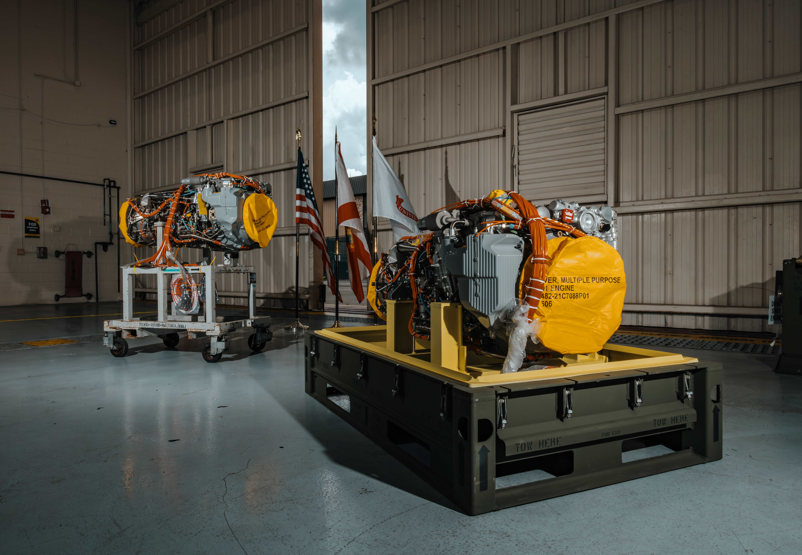
In a move that underscores its commitment to modernizing aviation capabilities, the U.S. Army has set its sights on the production of the new T901 helicopter engine, with plans to commence manufacturing by 2031. This ambitious timeline not only reflects the Army's strategic vision for enhanced operational readiness but also marks a significant milestone in a broader initiative to upgrade its rotorcraft fleet. For builders, investors, and defense industry professionals, this development signals a pivotal moment in military aerospace engineering and procurement.
The T901 engine, developed by Honeywell, is designed to replace the aging T700 engine currently used in several Army helicopters, including the Black Hawk and Apache. This transition is crucial as the Army seeks to enhance performance, reliability, and sustainability in its helicopter operations. The new engine will offer increased power and efficiency, enabling helicopters to carry heavier payloads and operate in more challenging environments. Given the evolving nature of military conflicts and the increasing demands on aerial support, the T901's development represents a timely response to contemporary operational challenges.
Moreover, the T901 is not only about improving existing capabilities; it is also a cornerstone of the Army's Future Vertical Lift (FVL) initiative, which aims to develop the next generation of rotorcraft. This initiative is ambitious in scope, focusing on creating versatile and advanced helicopters that can operate in multi-domain environments. The successful implementation of the T901 engine will provide the backbone for these future aircraft, setting the stage for enhanced maneuverability and effectiveness in the field. For investors, this represents a unique opportunity to engage with cutting-edge technology that is poised to redefine military aviation.
The implications of the T901 engine extend beyond mere technical specifications. As the Army invests in this new powerplant, it signifies a shift in procurement strategies that may influence supply chain dynamics in the defense sector. Contractors and suppliers involved in the manufacturing of the T901 will likely see increased demand for components and services, creating new business opportunities and partnerships. Additionally, the emphasis on modernization within the Army's aviation sector may encourage more collaboration with private sector innovators, fostering an environment ripe for technological advancements.
As we look toward the future, the T901 engine symbolizes a commitment to maintaining operational superiority in the face of evolving threats. The timeline for production by 2031 may seem distant; however, the groundwork laid in the coming years will be critical for a successful rollout. For the defense and aerospace community, staying attuned to the developments surrounding the T901 will be essential, as it not only impacts the Army’s helicopter fleet but also reflects broader trends in military modernization and innovation.
In conclusion, the Army's decision to prioritize the T901 helicopter engine production is a testament to its strategic foresight in enhancing aerial capabilities. As we transition toward an era defined by advanced rotorcraft, industry stakeholders must prepare for the ripple effects this initiative will have across the defense landscape. The future of military aviation is at a pivotal juncture, and the T901 engine will undoubtedly play a crucial role in shaping that future.