
Army Establishes Dedicated Counter-Drone Testing Lanes At Yuma
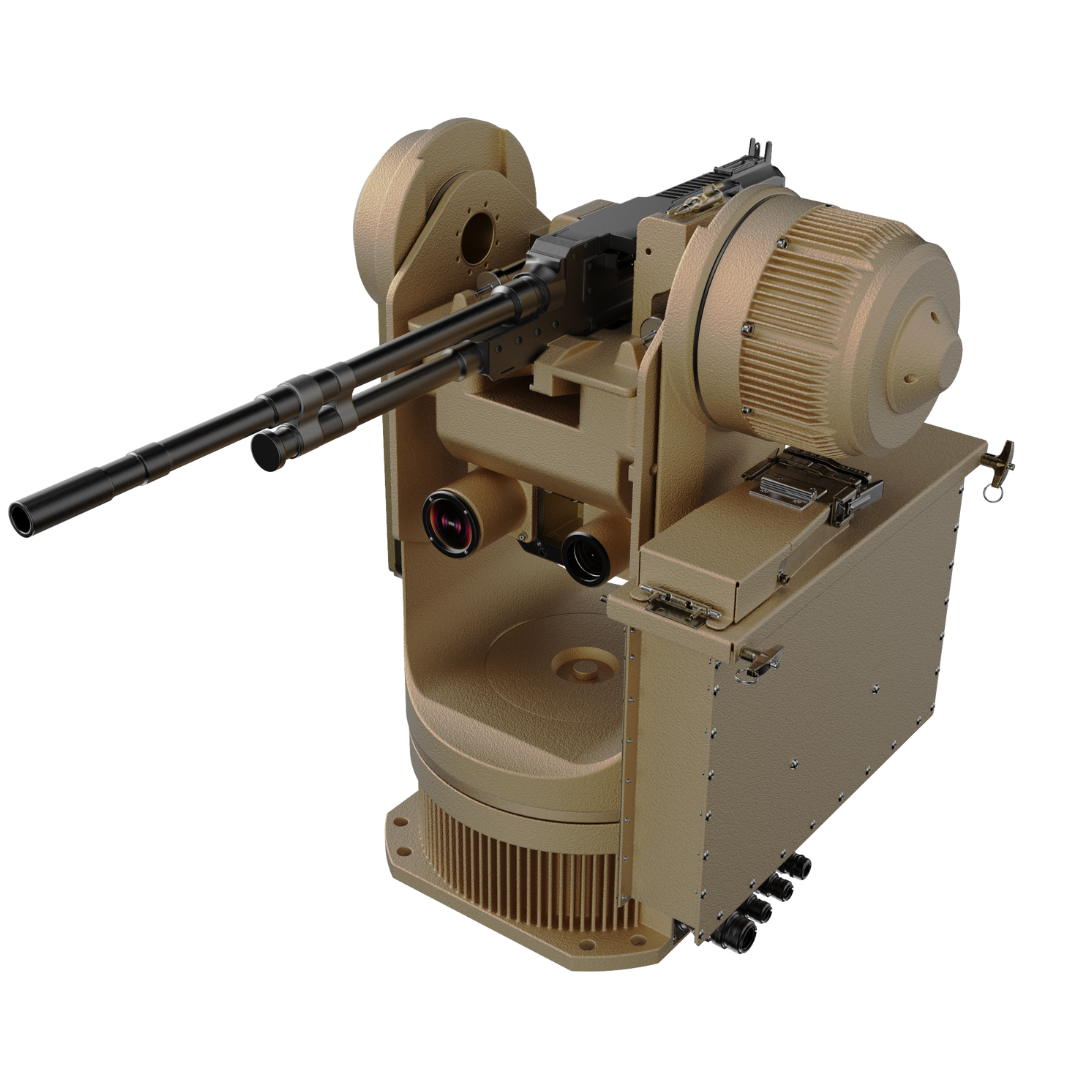
In an era where unmanned aerial vehicles (UAVs) are becoming increasingly ubiquitous in both military and civilian sectors, the establishment of dedicated counter-drone testing lanes at Yuma Proving Ground by the U.S. Army marks a significant milestone in the ongoing arms race against emerging aerial threats. As drones proliferate in various forms and functionalities, from reconnaissance to combat roles, the need for robust countermeasures has never been more crucial. This strategic move not only aims to refine counter-drone technologies but also underscores the Army's commitment to maintaining air superiority in a rapidly evolving battlefield landscape.
The Yuma Proving Ground, already a critical hub for military testing, now enhances its capabilities by providing specialized lanes for counter-drone systems. This initiative comes as part of an overarching strategy to develop and field systems that can detect, track, and neutralize hostile drones. With potential adversaries increasingly leveraging drone technology for warfare, it is imperative that the U.S. military stays ahead of the curve. By investing in dedicated testing environments, the Army can simulate real-world scenarios, enabling the rapid assessment and improvement of counter-drone systems under varied operational conditions.
The implications of this development extend beyond just military applications. As drone technology becomes more accessible, commercial sectors are also experiencing a surge in UAV deployment. From agriculture to infrastructure inspection, the potential benefits are profound, yet the risks associated with unauthorized drone use cannot be overlooked. This dual-use nature of drone technology necessitates a balanced approach to regulation and innovation, making the Army's counter-drone initiatives particularly relevant to investors and builders in the aerospace and defense industries. Companies engaged in developing counter-drone solutions may find new opportunities for partnership and funding, as the military seeks to collaborate with the private sector to accelerate technological advancements.
Moreover, the establishment of dedicated testing lanes at Yuma may serve as a blueprint for other military and defense installations. As the threat landscape continues to evolve, there is a pressing need for similar initiatives across the country, allowing for a comprehensive assessment of countermeasures against diverse drone threats. This proactive approach not only enhances military readiness but also fosters a collaborative environment where academia, industry, and government can work together to address complex challenges posed by unmanned systems.
Looking ahead, the Army's commitment to counter-drone technology signals a broader recognition of the need for integrated air defense systems that encompass both traditional and non-traditional aerial threats. As geopolitical tensions rise and drone technology becomes more sophisticated, the defense community must remain agile and innovative in its responses. By investing in dedicated testing lanes and fostering partnerships with the private sector, the Army is positioning itself not just to combat current threats, but to shape the future of aerial warfare. The evolution of counter-drone capabilities will undoubtedly play a pivotal role in safeguarding national security and ensuring operational superiority in the skies.
In conclusion, the establishment of these testing lanes at Yuma is a proactive step towards addressing the challenges posed by the proliferation of drones. It highlights the need for ongoing investment in technology and infrastructure, a commitment to collaborative innovation, and a forward-thinking approach to defense strategies that will undoubtedly resonate across the aerospace and defense sectors for years to come.



