Army Details Interest In Unmanned Ground Vehicle For ‘Last Tactical Mile’ Operations
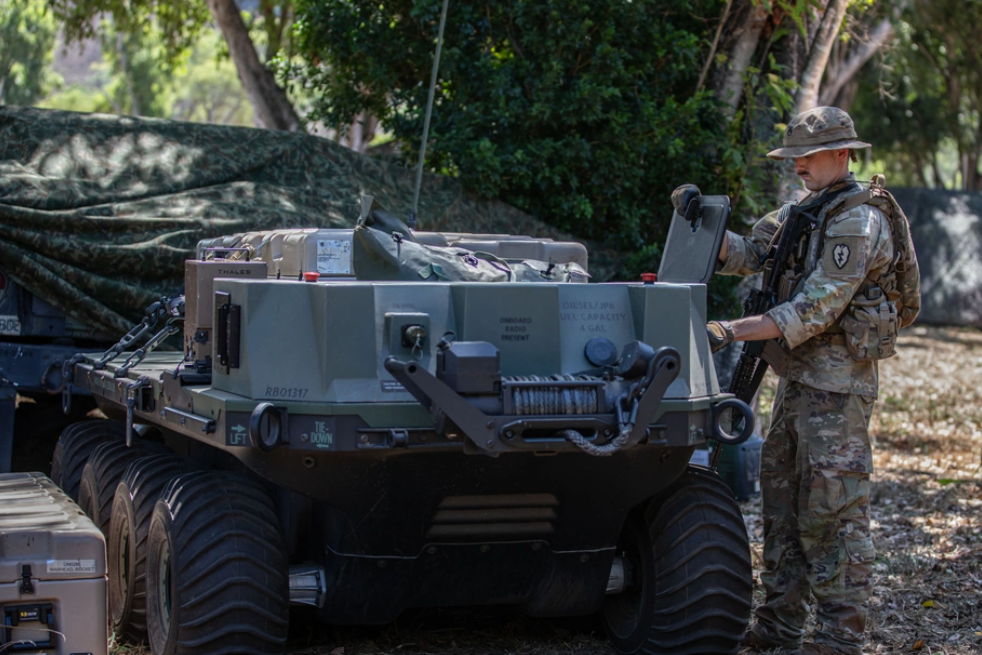
In an era marked by rapid technological advancement and an ever-evolving battlefield landscape, the U.S. Army's recent announcement regarding its interest in unmanned ground vehicles (UGVs) for 'last tactical mile' operations is both timely and significant. As military engagements increasingly demand precision, efficiency, and reduced risk to personnel, the Army's exploration of UGVs reflects a strategic pivot towards automation and robotics, potentially redefining ground operations in combat scenarios.
The 'last tactical mile' refers to the critical phase of operations where supplies, reinforcements, or intelligence must be delivered directly to the front lines. Traditionally, this phase has posed substantial challenges, often requiring direct human intervention in hazardous environments. The Army's initiative to integrate UGVs into this stage aims to mitigate risks and enhance operational capabilities. By deploying these unmanned systems, the Army can ensure that essential resources reach their destinations swiftly and securely, while minimizing the exposure of soldiers to hostile conditions.
The implications of this development extend beyond the immediate operational benefits. The defense and aerospace sectors are poised to witness a surge in demand for advanced UGV technologies, fostering innovation and competition among contractors. Companies specializing in robotics, artificial intelligence, and unmanned systems will likely find new opportunities for collaboration and investment. This initiative not only supports the Army's strategic goals but also signals a broader trend within the military towards embracing cutting-edge technologies that can enhance mission effectiveness and adaptability.
Moreover, as the Army seeks to integrate these vehicles into its operational framework, the challenges of interoperability and integration with existing systems will come to the forefront. For defense contractors and technology investors, understanding these dynamics will be critical in shaping the future landscape of military technology. The development of UGVs must not only focus on the technical specifications but also on creating systems that seamlessly operate alongside human forces, ensuring that the human-machine team operates effectively under the pressures of combat.
Looking ahead, the Army's interest in UGVs for last tactical mile operations could set a precedent for future military engagements. The successful implementation of these technologies might inspire further investments in autonomous systems across various defense operations, from logistics to reconnaissance. As military strategies evolve, the integration of unmanned systems will likely become a cornerstone of modern warfare, transforming the way conflicts are managed and fought.
In conclusion, the Army's initiative to explore unmanned ground vehicles for critical operational phases not only highlights the necessity of innovation in defense strategies but also opens the door for new technological advancements. Stakeholders in the defense and aerospace sectors should prepare for a transformative shift as these technologies gain prominence, promising to enhance both operational effectiveness and soldier safety in increasingly complex combat environments.