Army Could Look At ‘Alternative’ Contracting Rather Than New Multi-Year For Apache, Boeing Says
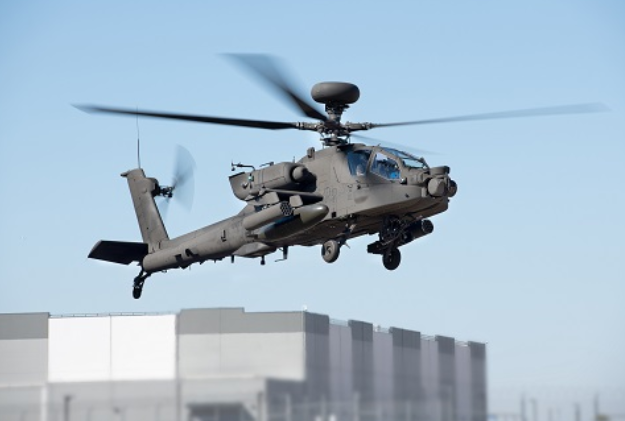
As the U.S. Army reevaluates its procurement strategies, recent statements from Boeing regarding the Apache helicopter program have sparked a crucial conversation about the future of defense contracting. With the Army potentially considering 'alternative' contracting methods instead of a new multi-year contract for the Apache, industry stakeholders must pay attention. This pivot not only affects the Apache program but could also have broader implications for procurement practices across the military aviation sector.
The Apache helicopter has long been a cornerstone of the Army's aerial combat capabilities. With over 2,000 units in service, its operational success has been bolstered by continuous upgrades and modernization efforts. Traditionally, multi-year contracts have been a preferred approach for the Army, providing stability for manufacturers like Boeing and ensuring a steady supply of critical equipment. However, as defense budgets become increasingly scrutinized and the demand for agility in procurement rises, alternative contracting methods may offer a pathway to more flexible and responsive acquisition processes.
Boeing's remarks suggest that the company is prepared to adapt to the Army's evolving requirements, which may include a shift towards more innovative contracting arrangements. Such alternatives could range from performance-based logistics agreements to agile contracting techniques that allow for rapid adjustments in response to emerging threats and technological advancements. This flexibility could be particularly beneficial in an era where rapid technological change and the need for continuous upgrades are paramount.
For builders, investors, and defense industry professionals, this potential shift in contracting strategy raises several important considerations. First, it underscores the necessity for manufacturers to demonstrate adaptability and responsiveness to the Army's needs. Companies that can offer innovative solutions and demonstrate a commitment to modernization may find themselves at a competitive advantage in future bidding processes. Additionally, this shift may also create new opportunities for small and medium-sized enterprises (SMEs) to engage with the Army, as alternative contracting methods can lower barriers to entry for new players in the defense market.
Moreover, the discussion around alternative contracting reflects a broader trend within the defense community to embrace change. As the U.S. military continues to prioritize modernization and readiness, the procurement strategies must evolve to support these goals effectively. Industry stakeholders must remain vigilant and proactive in understanding these changes, as they will undoubtedly influence not only the Apache program but also the future landscape of defense contracting.
Looking ahead, the Army's willingness to explore alternative contracting methods could signal a significant transformation in how defense acquisitions are approached. As Boeing and other defense contractors navigate this potential shift, the emphasis will likely be on collaboration, innovation, and responsiveness. For industry professionals, this is not just a moment of change but an opportunity to shape the future of defense procurement in ways that enhance operational effectiveness and ensure the safety and security of our armed forces.