Army Budget Request Appears To Forego Black Hawk, Apache Procurement In FY ‘27
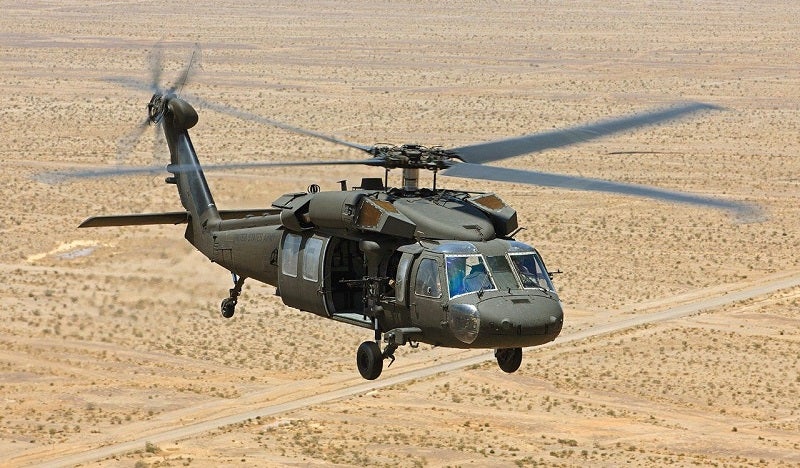
In a move that has raised eyebrows across the defense community, the Army's proposed budget for Fiscal Year 2027 appears to exclude funding for the procurement of two of its most iconic rotorcraft: the Black Hawk and the Apache helicopters. This decision, if finalized, could mark a significant pivot in the Army's aviation strategy, signaling potential shifts in priorities that could reverberate throughout the defense and aerospace sectors. As builders, investors, and professionals in the industry analyze the implications, the overarching question remains: what does this mean for the future of Army aviation and its broader impact on defense readiness?
The Black Hawk and Apache helicopters have long been staples of U.S. Army operations, known for their versatility and combat prowess. With decades of service, these aircraft have supported a myriad of missions, from troop transport to close air support. Their absence from the FY '27 budget request raises concerns about the Army's commitment to modernizing its fleet in a rapidly evolving threat landscape. Additionally, the decision could influence contractors and suppliers who rely on the steady demand for parts and services associated with these aircraft, potentially leading to job losses and financial instability within the defense industrial base.
Contextually, the Army's budgetary choices come at a time when geopolitical tensions are escalating, necessitating a robust and capable military force. As potential adversaries develop advanced aerial platforms and capabilities, the omission of funding for these critical helicopters may be seen as a gamble. The Army could be betting on the modernization of other systems or new technologies, but the operational gaps left by phasing out procurement of the Black Hawk and Apache might expose vulnerabilities that adversaries could exploit.
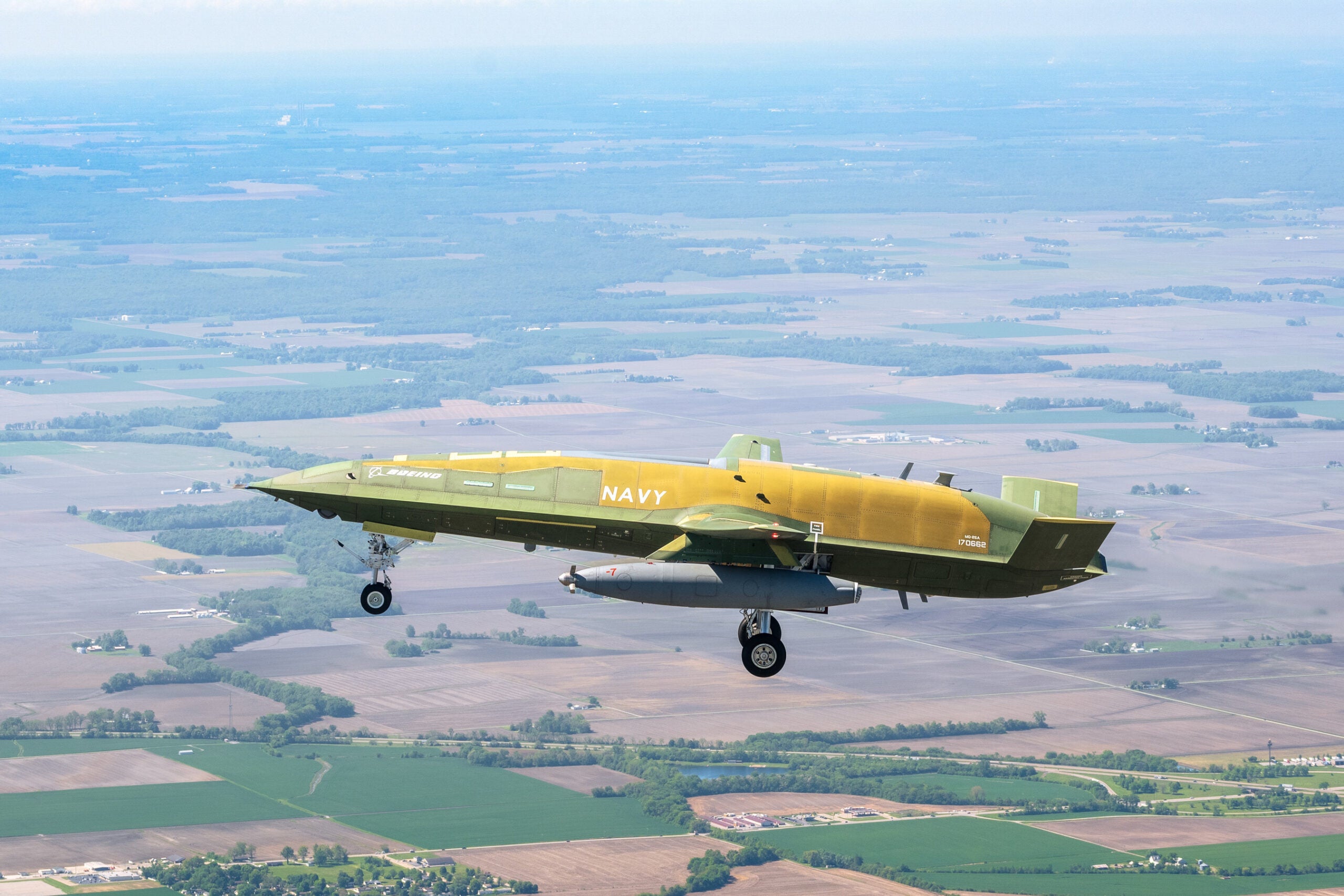
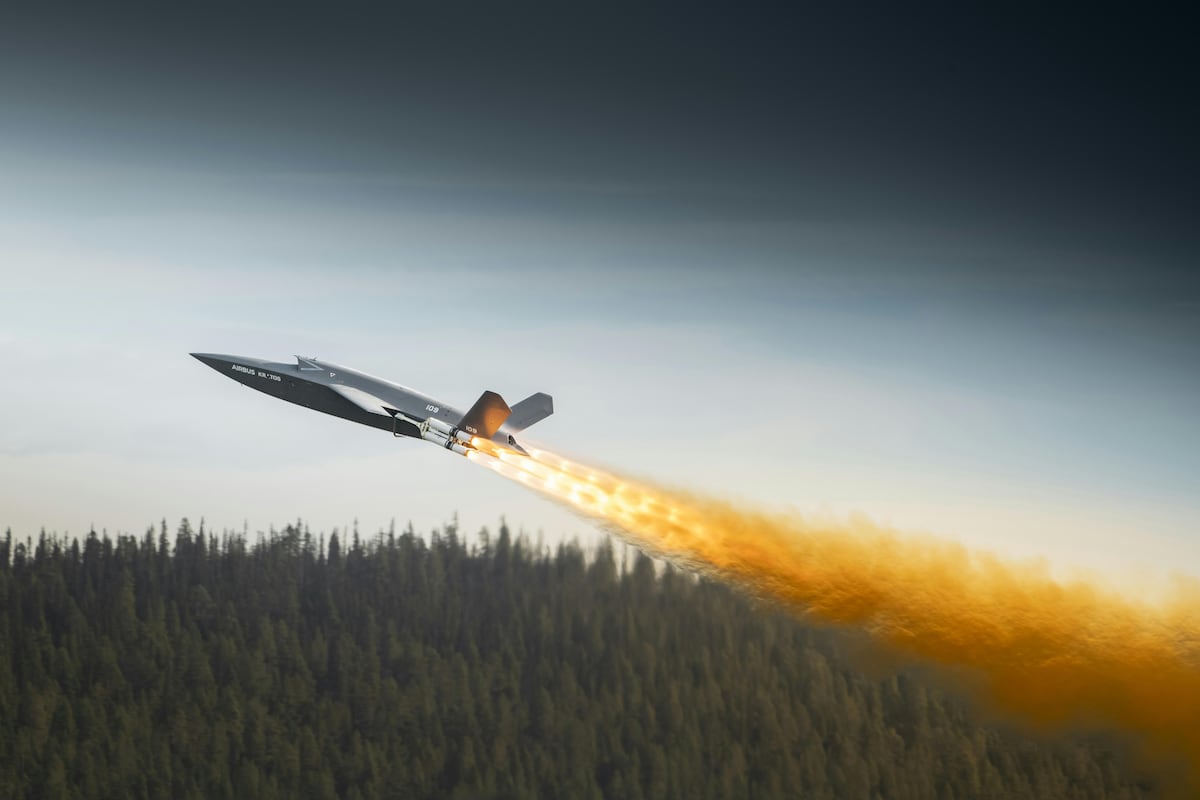
Moreover, the decision to forgo these procurements may also reflect broader strategic shifts within the military. As the Pentagon emphasizes joint operations and multi-domain warfare, there could be a push towards investing in more advanced platforms or unmanned systems that promise greater capabilities. However, such a transition must be approached with caution. The Black Hawk and Apache platforms have been battle-tested, and their immediate replacement may not be feasible without risking operational readiness in the interim.
Looking ahead, the defense community must grapple with the implications of this budget request. Industry leaders and policymakers should engage in robust discussions about the future of Army aviation, ensuring that any strategic shifts are well-informed and aligned with national defense priorities. As the Army navigates its modernization path, the necessity for a balanced approach that incorporates both proven capabilities and innovative technologies will be crucial for maintaining operational superiority.
In conclusion, while the decision to omit Black Hawk and Apache procurement from the FY '27 budget might signal a transformative shift in Army aviation strategy, it also raises critical questions about the readiness of U.S. forces. As builders and investors in the defense sector, staying attuned to these developments will be essential for adapting to the changing landscape and ensuring that the military remains prepared for future challenges.