Army Begins Evaluating Bumble Bee Drone Interceptor With Autonomous Kill Capability
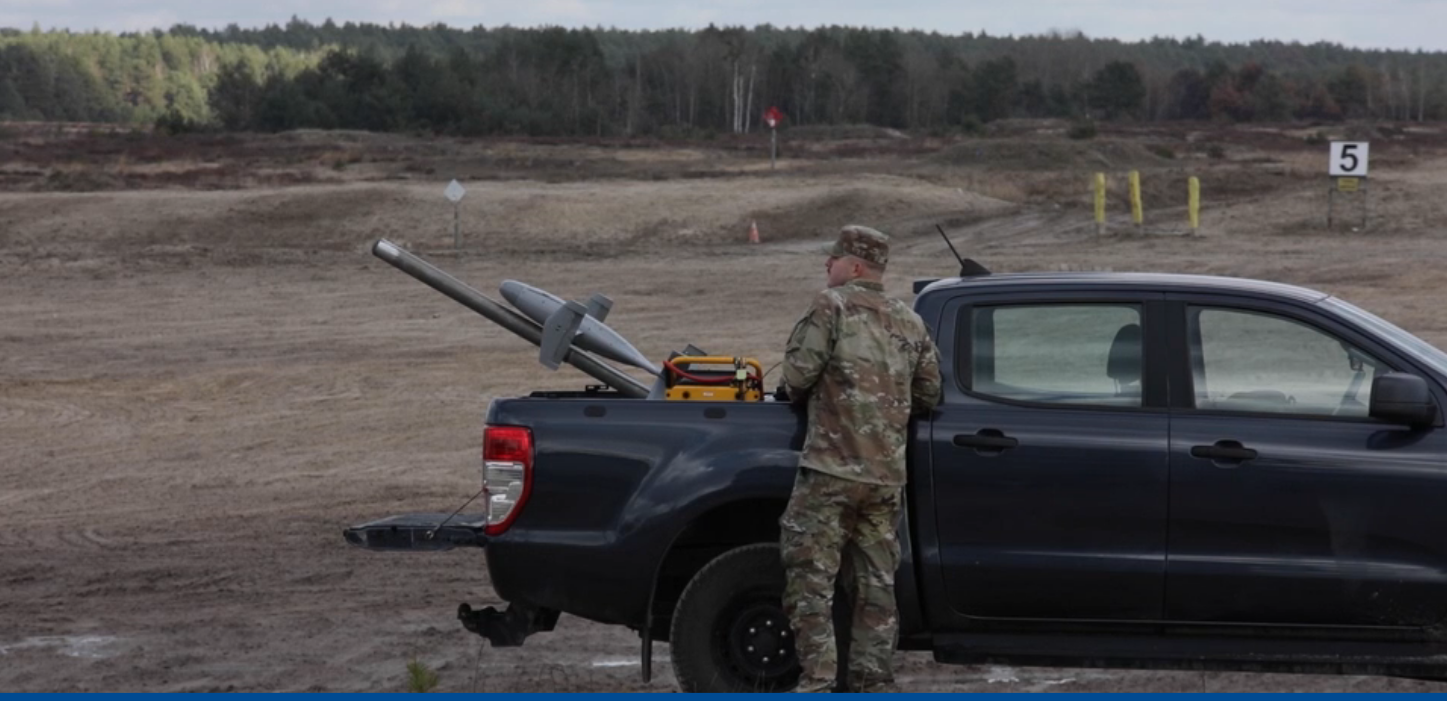
In an era of rapid technological evolution, the U.S. Army is taking significant strides in addressing aerial threats with the evaluation of its Bumble Bee drone interceptor. This cutting-edge unmanned aerial vehicle (UAV) is designed not only to identify and track hostile drones but also to engage them using autonomous kill capabilities. As the proliferation of drones continues to transform the battlefield landscape, the necessity for effective countermeasures has never been more pressing.
The Bumble Bee drone interceptor represents a crucial step in the military's ongoing efforts to bolster air defense systems. With the increasing reliance on unmanned systems in both commercial and military applications, adversaries have also begun to exploit drones for surveillance, reconnaissance, and even direct attacks. The Army's proactive approach to developing a sophisticated counter-drone solution underscores the urgency of maintaining air superiority in an environment where small, agile UAVs can pose a significant threat.
Equipped with advanced sensors and artificial intelligence, the Bumble Bee is designed to operate autonomously, making real-time decisions in the heat of battle. This capability not only enhances operational efficiency but also reduces the cognitive load on human operators, allowing them to focus on broader strategic considerations. The ability to autonomously identify and neutralize threats is critical in scenarios where every second counts, particularly in urban environments where drone swarms can quickly overwhelm traditional defense measures.
The evaluation phase of the Bumble Bee is particularly noteworthy given the growing interest in drone technology from both state and non-state actors. As countries around the world enhance their drone capabilities, the U.S. must remain at the forefront of counter-drone technology to ensure that it can effectively neutralize aerial threats. Moreover, the implications of successful deployment extend beyond military applications; advancements in drone interception technology could pave the way for new industries and innovations in both security and civilian airspace management.
Looking ahead, the success of the Bumble Bee's evaluation could potentially reshape the landscape of air defense systems. As military and defense contractors continue to invest in drone technology, the integration of autonomous systems into existing frameworks will likely become increasingly commonplace. The Army's commitment to evaluating and deploying such innovative solutions illustrates a recognition of the evolving nature of warfare. For builders, investors, and defense industry professionals, this represents not only a shift in strategic defense paradigms but also an opportunity to engage with a rapidly growing sector that promises to redefine aerial security for years to come.