Army Begins Evaluating Bumble Bee Drone Interceptor With Autonomous Kill Capability
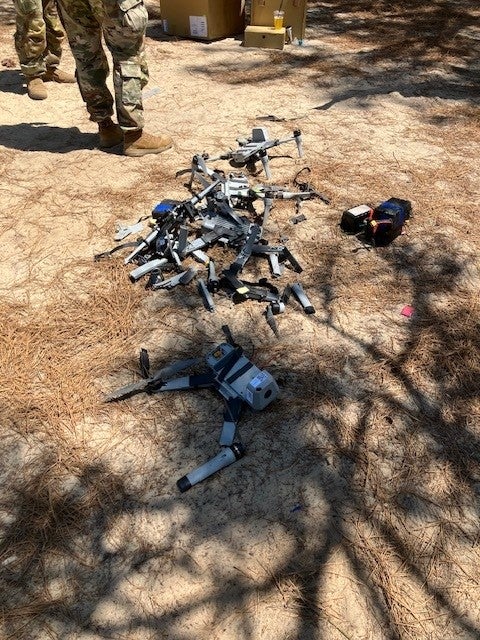
In an era where aerial threats are evolving at an unprecedented pace, the U.S. Army's recent evaluation of the Bumble Bee drone interceptor marks a significant milestone in counter-drone technology. Designed with autonomous kill capabilities, this innovative system is poised to enhance the Army's ability to neutralize hostile unmanned aerial vehicles (UAVs), addressing a critical gap in air defense. As military operations increasingly rely on unmanned systems, the development and deployment of effective countermeasures have become paramount.
The Bumble Bee drone interceptor represents a leap forward in both technology and tactical application. Unlike traditional air defense systems that often require human intervention for target engagement, the Bumble Bee is engineered to operate autonomously. This capability not only allows for rapid response to incoming threats but also reduces the cognitive burden on operators, enabling them to focus on broader operational needs. The Army's evaluation phase aims to rigorously test the drone's performance in various scenarios, ensuring its reliability and effectiveness in real-world conditions.
This initiative gains even greater significance in light of the increasing prevalence of drone warfare. Adversaries are utilizing drones for reconnaissance, surveillance, and even offensive strikes, necessitating a robust counter-drone strategy. The Bumble Bee's autonomous nature equips military forces with a proactive defense mechanism, capable of neutralizing threats before they can inflict harm. Moreover, with the integration of artificial intelligence and machine learning, these systems can adapt and improve over time, further enhancing their operational effectiveness.
Investors and builders in the defense and aerospace sectors should take note of the implications this technology holds for future military engagements. As the demand for effective drone countermeasures grows, companies that lead in the development of autonomous systems and UAV technologies are likely to see increased interest and investment. The Bumble Bee's successful integration into the Army's arsenal could also pave the way for similar systems across other branches of the military and allied forces, reinforcing a global trend towards enhanced aerial defense mechanisms.
Looking ahead, the evaluation of the Bumble Bee drone interceptor is not merely a tactical advancement but a strategic pivot towards a more integrated and automated approach to modern warfare. As threats in the skies become more sophisticated, the military's ability to effectively neutralize these threats will be a decisive factor in future conflicts. The defense community must remain vigilant in monitoring the outcomes of these evaluations, as the lessons learned may well shape the next generation of aerial defense technologies and tactics, ensuring that military forces remain one step ahead in an ever-evolving battlefield landscape.