
Army Awards Nearly $5 Billion CIRCM Full-Rate Production Deal To Northrop Grumman
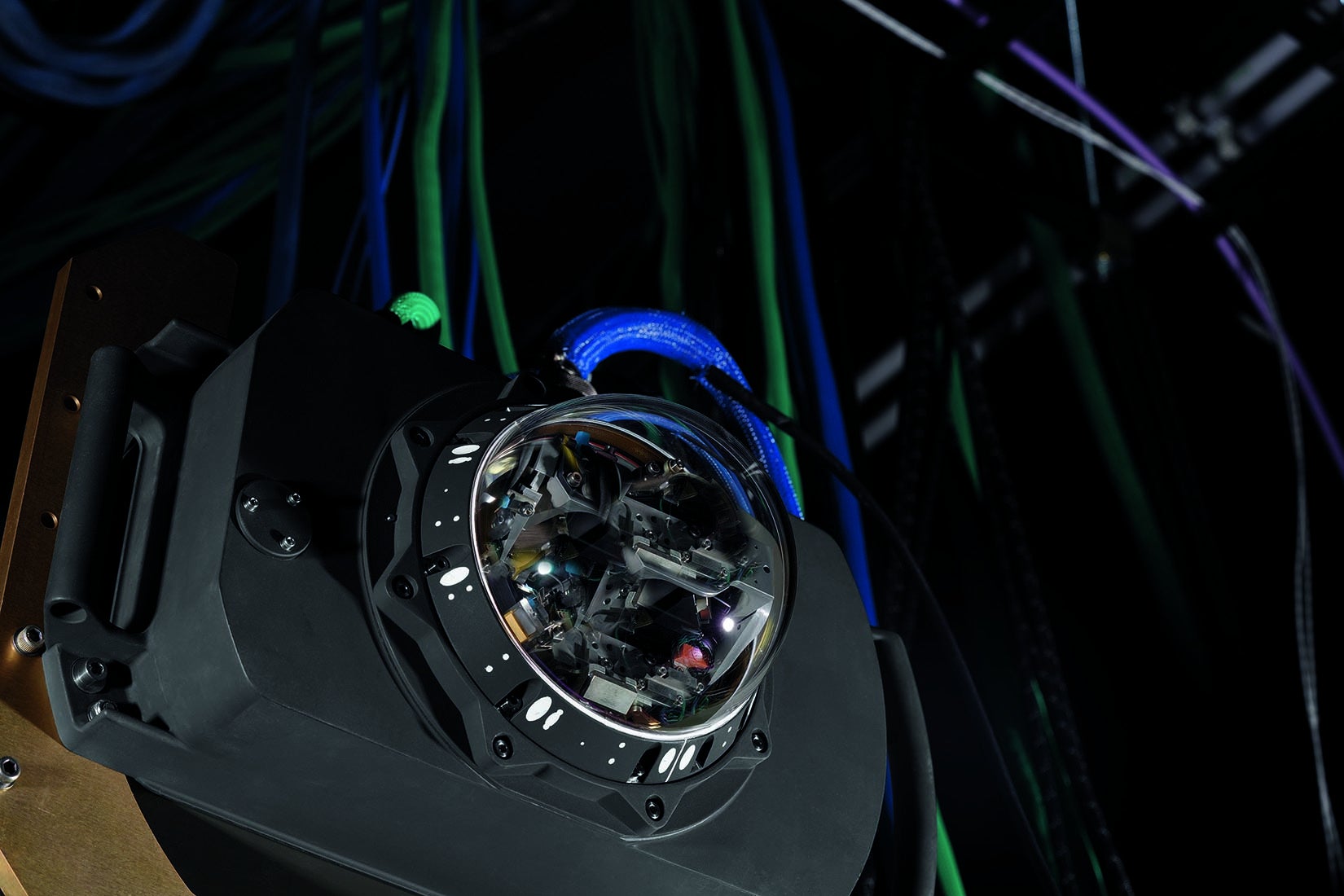
In a significant move that underscores the U.S. Army's commitment to enhancing its aerial defense capabilities, Northrop Grumman has been awarded a full-rate production contract worth nearly $5 billion for the Common Infrared Countermeasure (CIRCM) system. This contract not only marks a pivotal moment for Northrop Grumman but also highlights the escalating importance of advanced electronic warfare solutions in modern military operations. With threats from drones and man-portable air defense systems (MANPADS) on the rise, the CIRCM program is poised to play a critical role in safeguarding Army assets.
The CIRCM system represents a leap forward in countermeasure technology, designed to protect rotary-wing and fixed-wing aircraft from infrared-guided missiles. Utilizing laser technology, CIRCM is engineered to detect and counter these threats in real-time, thereby increasing the survivability of critical aircraft in hostile environments. The Army's decision to move forward with full-rate production indicates not only confidence in the system's capabilities but also reflects broader trends in defense procurement, where rapid acquisition of proven technologies is becoming the norm.
This contract is part of a larger shift within the defense industry, where agility and technological innovation are paramount. Northrop Grumman, a leader in the aerospace and defense sector, is well-positioned to leverage its extensive experience and expertise in developing advanced electronic warfare systems. The awarded funds will likely accelerate the production timeline, allowing for quicker deployment to the field and enhancing the operational readiness of U.S. forces. As adversaries continue to evolve their tactics, the ability to provide effective countermeasures is not just an advantage; it is a necessity.
Moreover, the CIRCM contract aligns with the U.S. Army's modernization strategy, which emphasizes the need for integrated and adaptable defense solutions. As the Army continues to confront a dynamic threat landscape, investments in systems like CIRCM ensure that personnel and equipment are shielded from emerging threats. This contract also reflects the broader defense spending trends, where significant allocations are being directed toward improving air defense capabilities across all branches of the military.
In conclusion, the nearly $5 billion CIRCM full-rate production deal awarded to Northrop Grumman is not merely a corporate win; it signifies a strategic enhancement of U.S. military capabilities. As the defense community watches this development unfold, it is clear that the emphasis on advanced electronic warfare solutions will only grow stronger. Industry professionals and investors alike should remain attentive to the implications of this contract, as it not only impacts Northrop Grumman's trajectory but also shapes the future of military aviation and its associated technologies. The need for robust, responsive defense systems is more pressing than ever, setting the stage for further innovations and investments in the sector.



