
Army awards counterdrone contracts worth more than $4B
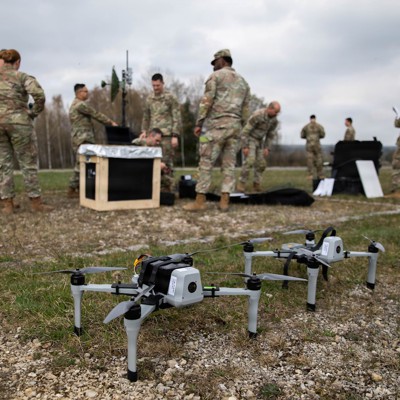
In a significant move that underscores the Pentagon's commitment to countering emerging threats, the U.S. Army has awarded over $4 billion in counter-drone contracts. This initiative not only highlights the escalating urgency surrounding unmanned aerial vehicles (UAVs) but also marks a pivotal moment in the Army's operational capabilities and its approach to modern warfare. As the proliferation of drones continues to transform the battlefield landscape, the Army's investment reflects a strategic pivot that is poised to reshape defense operations and technology development.
The awarded contracts, which are part of the Army's broader push to establish a robust counter-drone marketplace, involve multiple companies specializing in advanced technologies. These contracts will fund various solutions designed to detect, identify, and neutralize enemy drones, thereby safeguarding critical military assets and personnel. The Army's proactive stance is particularly timely, as adversaries increasingly deploy drones for reconnaissance, surveillance, and even offensive operations. The threat posed by these unmanned systems necessitates an agile and comprehensive response, and the Army appears well aware of this imperative.
This $4 billion commitment is not merely a financial transaction; it signals an important trend in defense procurement and innovation. The growing recognition of drone threats has led to heightened competition among defense contractors, prompting them to develop more sophisticated systems and technologies. As the Army leverages these contracts to enhance its counter-drone capabilities, we can expect to see a surge in technological advancements that could benefit not only military applications but also commercial sectors grappling with similar UAV-related challenges.
The implications of this investment extend beyond the immediate defense sector. As the Army collaborates with private industry, the potential for dual-use technologies increases, paving the way for innovations that could enhance public safety and security. For builders and investors in the aerospace and defense sectors, this presents opportunities to align with a rapidly evolving market that demands new solutions for drone detection and mitigation. The integration of state-of-the-art technologies such as artificial intelligence, machine learning, and advanced sensor systems into counter-drone strategies will likely spur new ventures and partnerships across the industry.
Looking ahead, the Army's substantial investment in counter-drone technologies is a clarion call for stakeholders in the defense, aerospace, and technology communities. As drone warfare becomes more prevalent, the need for effective countermeasures will only intensify. This invites a collaborative effort among industry leaders, policymakers, and researchers to innovate and refine technologies that can address both current and future threats. Ultimately, this $4 billion investment is not just about securing the battlefield; it is about preparing for a future where drone warfare is an integral part of military strategy and national defense.
In conclusion, while the Army's counter-drone contracts represent a significant financial outlay, they also encapsulate a broader strategic vision that will likely define the contours of modern warfare. The industry's response to this challenge could very well set the stage for a new era of technological innovation and operational effectiveness in defense, making this an exciting time for those invested in the future of military capabilities.



