Archer Acquiring Boeing Businesses That Add Drones, Autonomy And Air Traffic Management
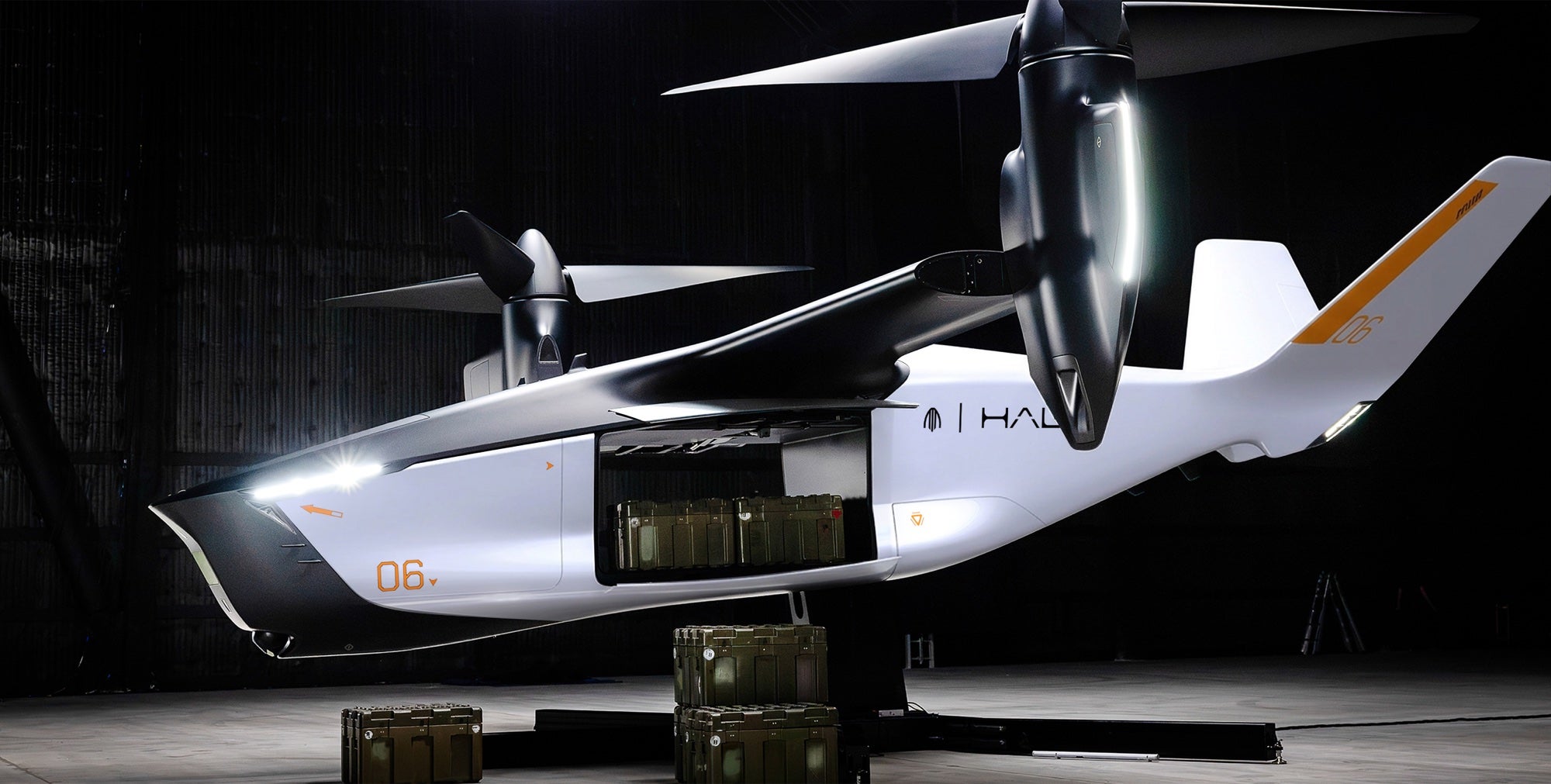
In a significant move poised to reshape the landscape of aerospace innovation, Archer Aviation has announced its acquisition of select Boeing businesses specializing in drones, autonomy, and air traffic management. This strategic acquisition not only underscores Archer's ambition to lead in the advanced air mobility sector but also highlights a broader trend within the defense and aerospace industries toward integrating cutting-edge technologies that promise to enhance operational efficiency and safety in the skies.
Archer, known for its pioneering work in electric vertical takeoff and landing (eVTOL) aircraft, is positioning itself at the forefront of a rapidly evolving market that increasingly values autonomous systems and intelligent airspace management. The integration of Boeing’s expertise in drone technology and air traffic management systems will allow Archer to accelerate the development and deployment of its urban air mobility solutions, addressing the growing demand for efficient transportation in congested urban areas. This acquisition reflects a strategic alignment between two major players in the aerospace sector, with Archer benefitting from Boeing's established capabilities and resources.
The implications of this acquisition extend beyond Archer and Boeing, resonating throughout the defense and aerospace sectors. As nations and companies invest heavily in drone technology and autonomous systems, the importance of air traffic management becomes paramount. The integration of advanced air traffic management systems will facilitate the safe operation of multiple drones and eVTOLs in urban environments, addressing potential safety concerns and regulatory challenges. Moreover, with increased military interest in unmanned systems, the technologies acquired from Boeing could enhance Archer's capabilities in defense applications, paving the way for future collaborations in this critical domain.
In addition to the operational advantages, this acquisition could also have a significant impact on investment trends within the aerospace and defense industries. As companies like Archer demonstrate the potential for innovation through strategic acquisitions, investors are likely to take notice, favoring firms that show a commitment to integrating new technologies. The convergence of traditional aerospace companies and emerging tech firms creates a dynamic environment ripe for disruption, and Archer's proactive approach may serve as a blueprint for future collaborations in the sector.
Looking forward, the successful integration of Boeing's drone and air traffic management technologies into Archer's portfolio could catalyze a new era in urban air mobility and autonomous flight. As regulatory frameworks evolve to accommodate these advancements, the path is being paved for a future where drones and eVTOLs are commonplace in our cities. The implications for logistics, emergency services, and personal transportation are profound, suggesting a transformative shift in how we think about air travel. In this context, Archer's acquisition represents not just a business decision, but a strategic move that could redefine the future of aerospace and defense operations, ultimately contributing to safer, more efficient airspace management.
In conclusion, as the aerospace industry continues to grapple with the challenges of modernization and innovation, Archer's acquisition of Boeing's drone and air traffic management businesses is more than a mere expansion; it is a decisive step toward a future where autonomous systems and intelligent airspace management play integral roles in aviation. This acquisition reinforces the necessity for collaboration and integration in an industry increasingly defined by technological advancement and the quest for sustainability. The stakes are high, and the outcomes will be closely watched by builders, investors, and defense industry professionals alike.