All Future Systems Should Have Autonomy Features, Reed Says

In a move that could redefine the landscape of defense technology, U.S. Senator Jack Reed has advocated for integrating autonomy features into all future military systems. This assertion comes at a time when the defense industry is grappling with the rapid pace of technological advancement, and the necessity for systems that not only enhance operational efficiency but also maintain a competitive edge is more critical than ever. Reed's comments underscore a pivotal shift in military strategy that emphasizes the importance of autonomous capabilities in modern warfare.
The push for autonomy in defense systems is not merely about keeping up with technological trends; it is about fundamentally transforming how military operations are conducted. With advancements in artificial intelligence, machine learning, and robotics, the potential for autonomous systems to handle complex tasks—from logistics to combat scenarios—has become increasingly viable. Reed's statement signals to industry leaders and defense contractors that investing in autonomous capabilities is not just a suggestion but a necessity for future procurement processes. As military budgets continue to be scrutinized, the need for systems that deliver greater effectiveness with reduced manpower becomes paramount.
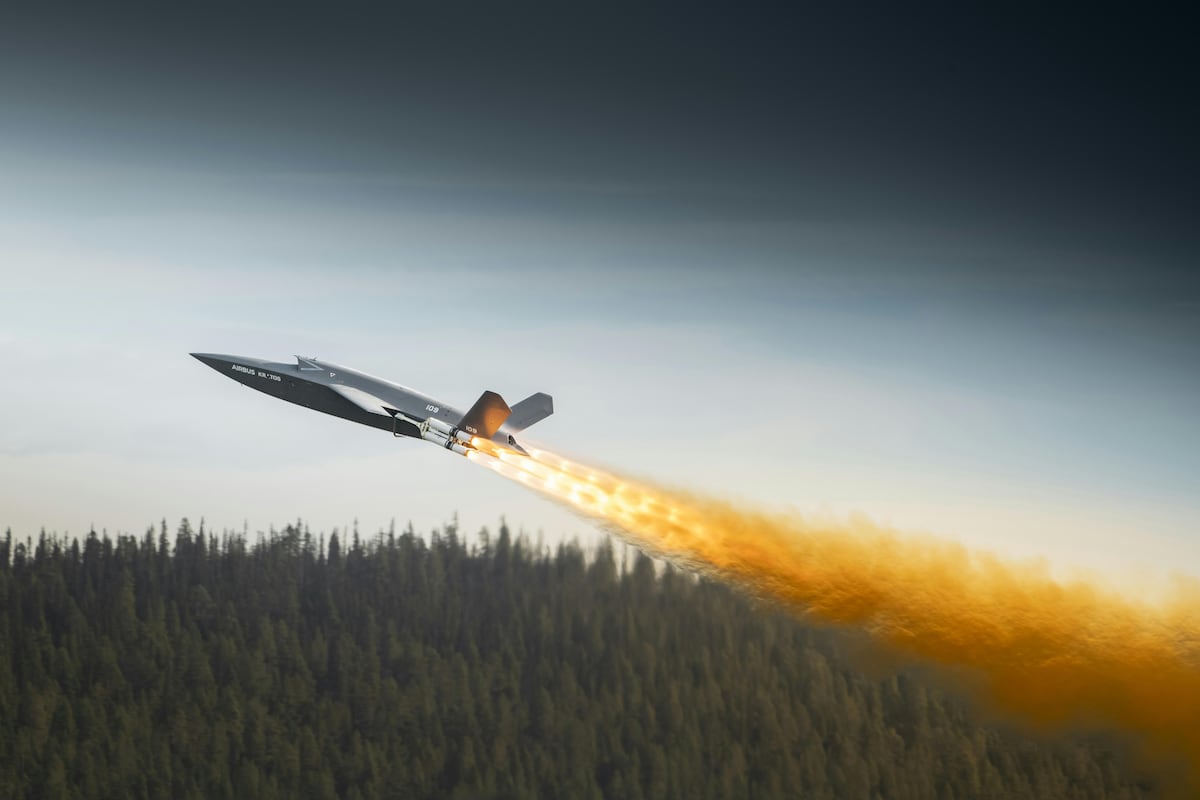
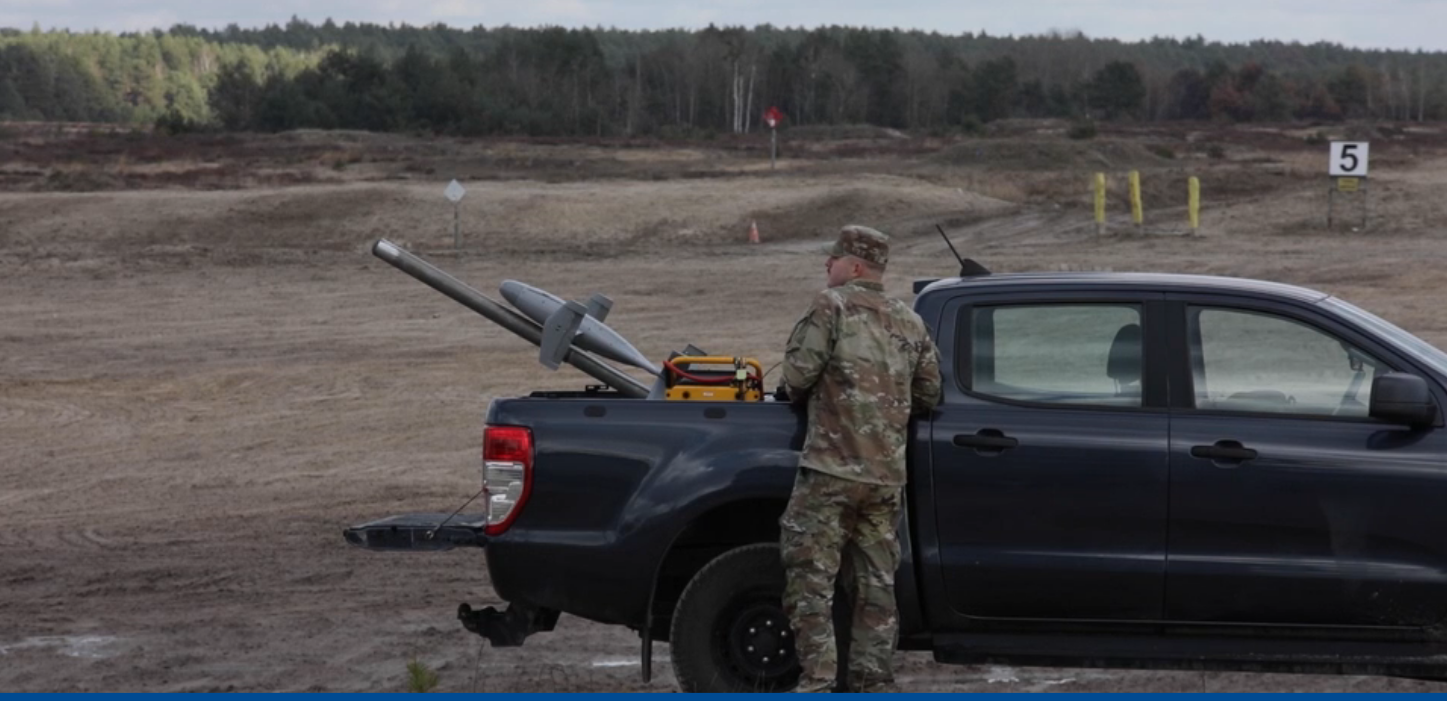
From unmanned aerial vehicles (UAVs) to autonomous ground vehicles, the applications for such technologies are vast. These systems can operate in environments that are too dangerous for human personnel, perform reconnaissance missions, and even engage in combat with minimal oversight. The implications of this autonomy extend beyond mere operational efficiency; they raise critical questions about the ethical considerations of using AI in warfare, the role of human oversight, and the potential for unintended consequences. Reed's advocacy highlights the need for ongoing dialogue and regulatory frameworks to govern the use of autonomous systems in military operations.
Moreover, the integration of autonomy features aligns with broader trends in the defense industry, such as the increasing reliance on data-driven decision-making and network-centric warfare. As military engagements become more complex and multifaceted, the ability to process and analyze vast amounts of data in real-time becomes a strategic advantage. Autonomous systems equipped with advanced AI capabilities can enhance situational awareness, offering commanders the insights necessary to make informed decisions quickly. This capability can be a game-changer on the battlefield, where every second counts.
However, the path to fully autonomous military systems is fraught with challenges. The technical hurdles of developing reliable autonomous systems that can operate in unpredictable environments must be addressed, alongside the ethical implications of their use. As Reed's statements resonate through the halls of Congress and industry boardrooms alike, it is crucial for stakeholders to collaborate on not only advancing technology but also establishing the necessary guidelines and protocols to ensure that these systems are employed responsibly.
Looking ahead, the defense and aerospace sectors must prioritize the integration of autonomy features in their next-generation systems. As competitors around the globe invest in similar technologies, the U.S. must maintain its leadership in defense innovation. The call for autonomy is more than a trend; it is a clarion call for a future where military operations are more efficient, effective, and ethically sound. The stakes are high, and the time for action is now.