Airbus: Ready for Response
**Airbus: Ready for Response**
In an era marked by rapid technological advancements and shifting geopolitical landscapes, the aerospace and defense sectors are under increasing pressure to innovate and adapt. Airbus, a titan in the aviation industry, has recently underscored its commitment to remaining at the forefront of this dynamic environment with its "Ready for Response" initiative. This proactive approach not only highlights the company's agility in addressing emerging challenges but also reaffirms its role as a key player in global security and emergency response operations.
The need for robust response capabilities has never been more critical. As nations grapple with the implications of climate change, pandemics, and regional conflicts, the demand for versatile and reliable aerospace solutions is growing. Airbus recognizes that in times of crisis, the ability to mobilize resources quickly and effectively can save lives and stabilize communities. The company's focus on enhancing its response strategies comes at a pivotal moment, as governments and organizations around the world seek partners who can provide cutting-edge technology and expertise in humanitarian assistance and disaster relief.
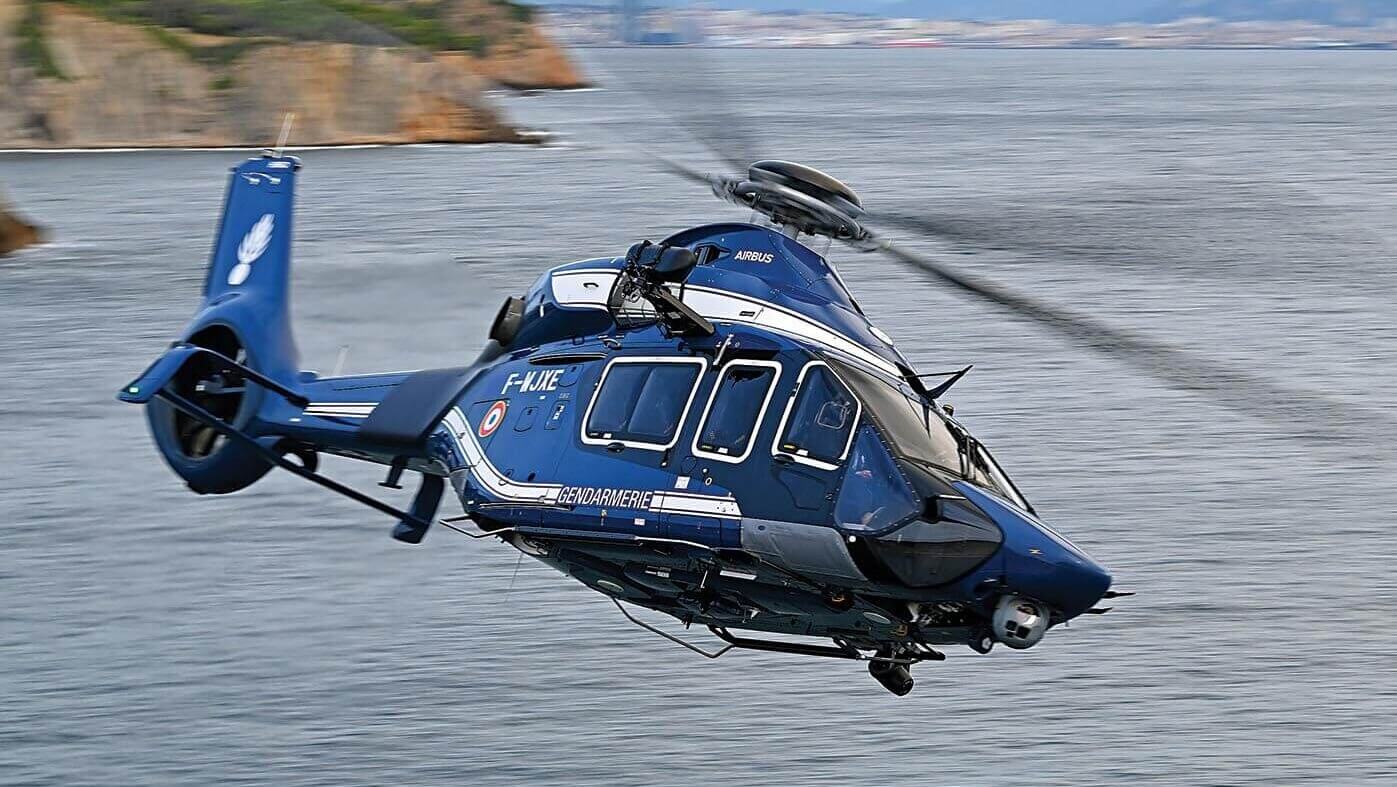
Airbus's initiative encompasses a broad spectrum of operational enhancements, including the development of advanced aerial platforms and the integration of innovative technologies. The company’s aircraft, such as the A400M Atlas and the H225M Caracal, are being optimized for rapid deployment and multi-mission capabilities. This versatility allows Airbus to tailor its offerings to meet specific operational needs, whether in disaster response, medical evacuation, or logistics support. Such adaptability is crucial in today's fast-evolving landscape, where traditional military roles are often blurred with civilian applications.
Moreover, Airbus's commitment to collaboration is a cornerstone of its "Ready for Response" strategy. By partnering with governments, NGOs, and international organizations, the company is positioning itself as a leader in fostering coordinated efforts to tackle complex challenges. This collaborative approach not only enhances the effectiveness of response operations but also strengthens relationships between stakeholders in the defense and humanitarian sectors. As global threats become more interconnected, such alliances will be essential for ensuring comprehensive solutions.
The implications of Airbus's initiative extend beyond immediate operational benefits. By investing in response readiness, the company is also signaling its awareness of the broader social responsibilities that come with being a leader in the aerospace and defense industries. In an age where public scrutiny of defense spending and military operations is high, demonstrating a commitment to humanitarian efforts can bolster corporate reputation and foster trust among various stakeholders. This holistic approach could ultimately drive long-term growth and sustainability for Airbus.
In conclusion, Airbus's "Ready for Response" initiative reflects a forward-thinking ethos that is essential for navigating the complexities of today's world. By enhancing its operational capabilities, fostering collaboration, and addressing the pressing need for effective response solutions, Airbus is not only preparing itself for future challenges but is also setting a standard for the industry. As the global landscape continues to evolve, companies that prioritize agility, innovation, and social responsibility will be better positioned to thrive and contribute meaningfully to global security and humanitarian efforts. Airbus's proactive stance is a testament to its commitment to these principles, illustrating that readiness in aerospace is not just about technology—it's about making a difference when it matters most.