Air Force Research Laboratory Tests Draper Liquid Rocket Engine in Flight

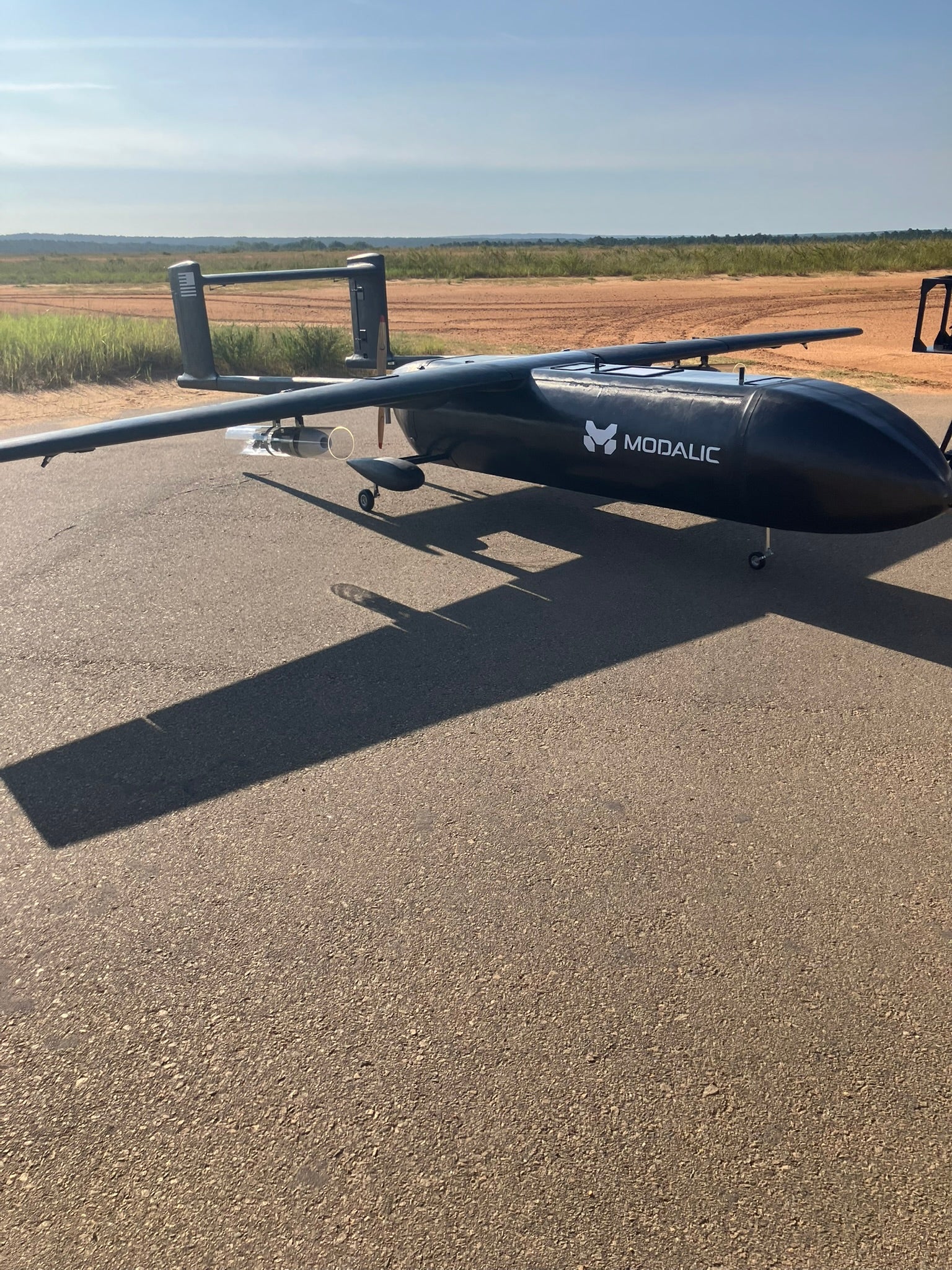
In a significant leap forward for the aerospace sector, the Air Force Research Laboratory (AFRL) has successfully tested the Draper liquid rocket engine in flight, marking a pivotal moment in the integration of advanced propulsion technologies within military applications. This test not only showcases the capabilities of innovative propulsion systems but also underscores the increasing importance of rapid technological advancements in maintaining national security and defense readiness. As the complexities of modern warfare evolve, the need for highly efficient and reliable propulsion systems becomes crucial for the various missions undertaken by the U.S. Air Force and allied forces.
The Draper liquid rocket engine, developed in collaboration with various industry partners, is designed for a wide range of applications, including potential use in military and commercial space endeavors. This test flight serves as a crucial validation of its performance under real-world conditions, demonstrating not just the engine's functional capabilities but also its potential for scalability and adaptability. In an era where space is becoming an increasingly contested domain, the ability to deploy reliable and advanced propulsion technology can significantly alter the strategic calculus in both defense and aerospace sectors.
For builders and investors in the aerospace and defense industries, the implications of this successful test extend beyond immediate performance metrics. It signals a trend towards increased collaboration between government entities and private industry, encouraging further investments in cutting-edge technologies. The AFRL's commitment to fostering innovation through partnerships with companies like Draper exemplifies a broader shift within the Department of Defense toward leveraging commercial technologies to enhance operational efficiency and effectiveness. As defense budgets continue to face scrutiny, such collaborations may represent a more cost-effective approach to developing the next generation of military capabilities.
Moreover, this test aligns with the U.S. military's broader strategy to integrate advanced technologies into its operational framework. As adversaries increasingly adopt sophisticated technologies, the U.S. must remain at the forefront of innovation to ensure preparedness and deterrence. The successful flight test of the Draper liquid rocket engine not only enhances current capabilities but also serves as a foundation for future advancements in space launch systems, satellite deployment, and potentially even hypersonic flight.
Looking ahead, the successful testing of the Draper liquid rocket engine is not merely an isolated achievement; it is a harbinger of the future of defense aerospace technology. As the industry continues to embrace innovative solutions and collaborative partnerships, we can expect a new era of propulsion systems that will redefine both military and commercial aerospace landscapes. The potential for dual-use applications further emphasizes the strategic importance of these developments, positioning the U.S. to retain its leadership in both defense and space exploration endeavors.