Air Force pushing contractors to purge Anthropic by Sept. 1: Memo
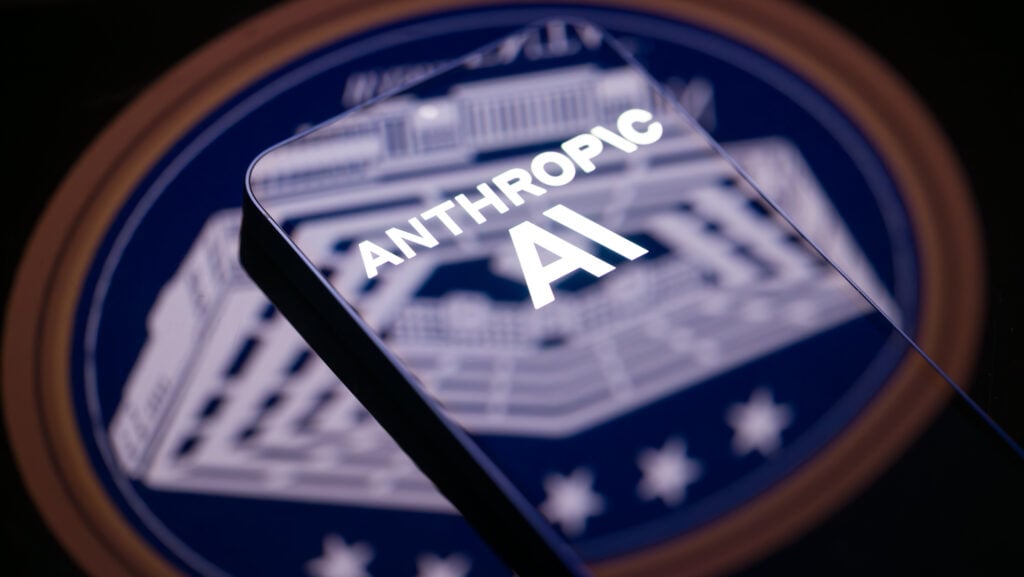
In an unprecedented move that signals a new chapter in the relationship between the U.S. Air Force and its contractors, a recent memo has called for the purging of Anthropic, an AI research organization, by September 1. This directive highlights a growing concern within the defense sector regarding the implications of AI technologies and the organizations behind them. As the military increasingly relies on advanced AI solutions for critical operations, the decision to sever ties with a prominent AI developer like Anthropic raises significant questions about accountability, security, and the future of innovation in defense.
The directive stems from rising apprehensions about the potential risks associated with utilizing AI systems developed by organizations perceived as having misaligned interests with national security. While Anthropic has positioned itself as a leader in creating safe and interpretable AI technologies, the Air Force's decision reflects a broader trend of scrutinizing AI partnerships. Defense contractors are now tasked with not only delivering cutting-edge solutions but also ensuring that those solutions align with the military’s stringent security protocols. This memo effectively sets a precedent for how the defense community will navigate the complex terrain of AI partnerships moving forward.
This move is particularly relevant in the context of the increasing integration of AI into military operations. The U.S. military's adoption of AI technologies has been accelerating, with applications ranging from logistics and maintenance to battlefield decision-making. As these technologies become more embedded in operational frameworks, concerns about data integrity and supply chain security are paramount. By pushing contractors to purge Anthropic, the Air Force is prioritizing the integrity of its operational environment, signaling that it will not compromise on the security of its technological partnerships.
Moreover, this decision may have ripple effects throughout the defense contracting ecosystem. Companies that have relied on collaborations with AI firms may need to reevaluate their partnerships and ensure compliance with new guidelines set forth by the Air Force. For investors and builders in the defense sector, this could mean shifts in funding priorities as organizations pivot towards more vetted and secure AI solutions. As the defense industry continues to evolve, the implications of this memo could redefine how contractors approach technological collaborations, potentially leading to a more cautious and selective environment for AI partnerships.
In conclusion, the Air Force’s directive to purge Anthropic by September 1 underscores a pivotal moment for the defense community in its ongoing quest to harness AI. As contractors brace for the impact of this memo, it will be essential for them to adapt to the changing landscape of military partnerships and prioritize security over innovation. The future of AI in defense may hinge on the ability of organizations to navigate these complexities while fostering an environment that promotes both technological advancement and national security. As we move forward, the balance of innovation and security will undoubtedly shape the next era of military capabilities and AI integration.