Air Force awards Boeing $131 billion ceiling contract for F-15 production, modernization
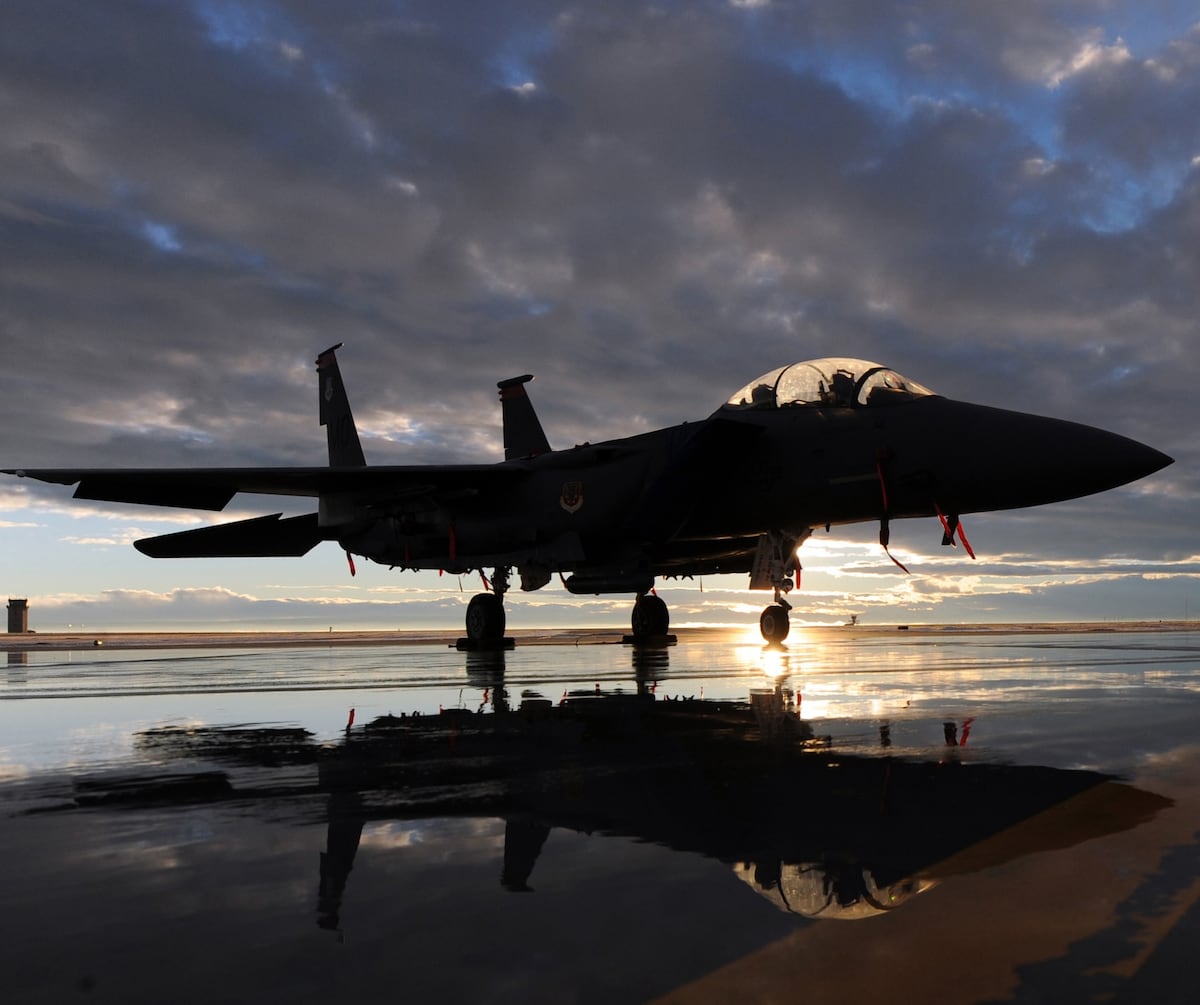
In a significant move illustrating the U.S. Air Force's commitment to maintaining air superiority, Boeing has been awarded a ceiling contract valued at $131 billion for F-15 production and modernization efforts. This contract not only underscores the continued investment in the F-15 platform but also highlights the strategic importance of advanced fighter aircraft in contemporary military operations. As threats evolve and adversaries adopt increasingly sophisticated technologies, the need for a robust air fleet becomes paramount, making this contract a pivotal development in the defense landscape.
The $131 billion ceiling contract encompasses a wide range of activities, including the production of new F-15EX aircraft as well as upgrades to existing models. The F-15EX, which boasts enhanced avionics, improved weapons systems, and advanced networking capabilities, is set to provide the Air Force with a formidable edge in air combat. This investment not only reflects a response to current operational needs but also positions the Air Force to counter future adversaries effectively. Furthermore, the decision to modernize the F-15 fleet rather than solely focusing on new aircraft production demonstrates a prudent approach to resource allocation, ensuring that existing assets are brought up to date while still meeting urgent operational requirements.
For builders and investors in the defense sector, this contract represents a robust opportunity for growth and innovation. The extensive modernization plans for the F-15 fleet will require a range of components, systems, and technological advancements, opening avenues for collaboration across the aerospace supply chain. Companies involved in avionics, missile systems, and aircraft maintenance can anticipate increased demand, fostering a dynamic environment for investment and development. Moreover, as Boeing ramps up production and modernization efforts, this contract could serve as a catalyst for job creation within the defense manufacturing sector, further stimulating economic growth.
The implications of this contract extend beyond mere financial figures; it indicates a broader strategic vision within the U.S. military to sustain and enhance its aerial capabilities in an increasingly competitive global environment. With potential adversaries such as China and Russia expanding their own air capabilities, the U.S. Air Force's commitment to modernizing its fleet is not just a matter of technological advancement; it is a vital component of national security strategy. Ensuring that the F-15 remains a relevant and effective platform is crucial in maintaining deterrence and readiness.
As we look ahead, the F-15 contract illustrates the balance that defense contractors must strike between innovation and legacy systems. While developing next-generation aircraft such as the Next Generation Air Dominance (NGAD) program is essential, the continued support for established platforms like the F-15 serves as a reminder that modernization is key to leveraging existing capabilities. The success of this contract will be closely watched, serving as a bellwether for future defense acquisitions and the strategies that underpin them. With the ever-evolving nature of warfare, the choices made today will undoubtedly shape the battlefield of tomorrow.