Air Force awards $766 million for B-52 radar modernization
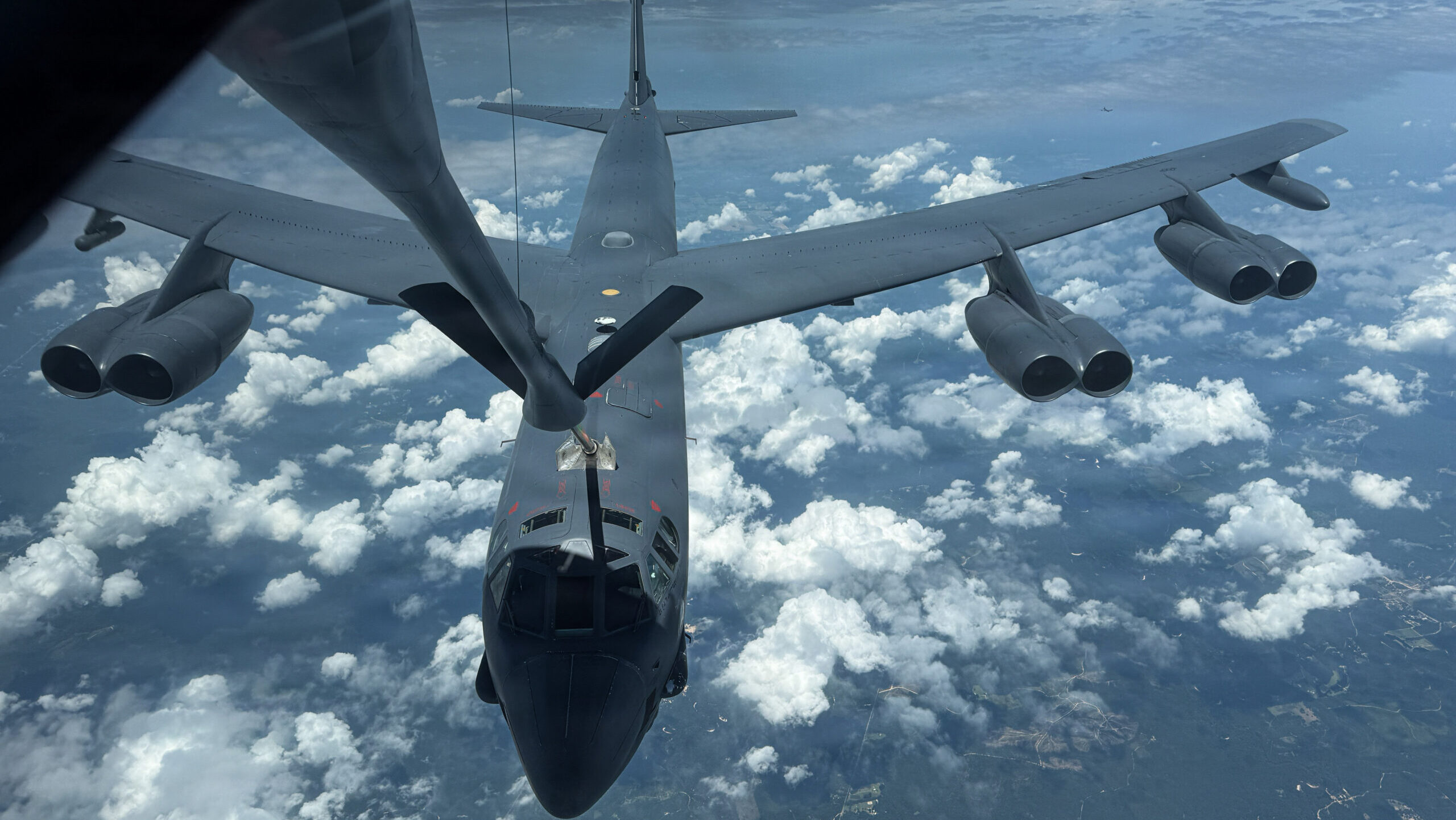
In a bold move that underscores the United States Air Force's commitment to modernizing its legacy fleet, the Air Force has awarded a substantial $766 million contract for the radar modernization of the venerable B-52 Stratofortress. This initiative represents not only an investment in one of the longest-serving bombers in military history but also a strategic pivot towards enhancing operational capabilities in an increasingly complex global threat environment.
The B-52, which first took to the skies in the 1950s, has undergone numerous upgrades over its lifespan, but the latest modernization efforts focus on integrating advanced radar systems that will significantly enhance its surveillance and targeting capabilities. This modernization project is critical as it will allow the B-52 to operate in contested environments, ensuring that it remains a relevant and capable asset well into the 21st century. With the rise of sophisticated adversaries equipped with advanced air defense systems, the B-52's ability to penetrate these defenses and deliver precision strikes is paramount.
The contract, awarded to Northrop Grumman, will enable the retrofitting of the B-52 fleet with advanced radar technology that is expected to improve situational awareness and target acquisition. This move is part of a broader trend within the defense sector where legacy platforms are being upgraded with cutting-edge technology rather than being replaced outright. The rationale is straightforward: modernizing existing assets can often be more cost-effective and quicker to implement than developing new platforms from scratch. For builders and investors in the defense industry, this trend signifies a shift in how military capabilities are developed and maintained.
Moreover, the investment in the B-52's radar capabilities is likely to have ripple effects across the defense technology landscape. Companies involved in radar and sensor technologies, artificial intelligence, and data analytics stand to benefit as the Air Force seeks to integrate these technologies into its operations. The modernization of the B-52 is not just about enhancing one platform; it reflects a growing recognition of the need for interoperability and integration across military systems, paving the way for more sophisticated and agile military strategies.
As we look toward the future, the B-52 radar modernization project illustrates the importance of adapting to technological advancements while ensuring that legacy systems remain operationally effective. The Air Force's decision to invest heavily in the B-52's capabilities serves as a reminder that even the oldest platforms can be rejuvenated through innovation. This forward-thinking approach will likely influence other branches of the military as they grapple with their own modernization challenges, ultimately shaping the future of military aviation and defense strategy.
In summary, the significant investment in the B-52 radar modernization is a clear signal of the Air Force's strategic priorities. It emphasizes the need for continued innovation while leveraging existing assets. As the defense community moves forward, stakeholders must pay close attention to the developments stemming from this initiative, as they will undoubtedly shape the landscape of military operations and technology for years to come.