After Iran attacks, Turkish industry seeing increased Gulf interest in air defense platforms
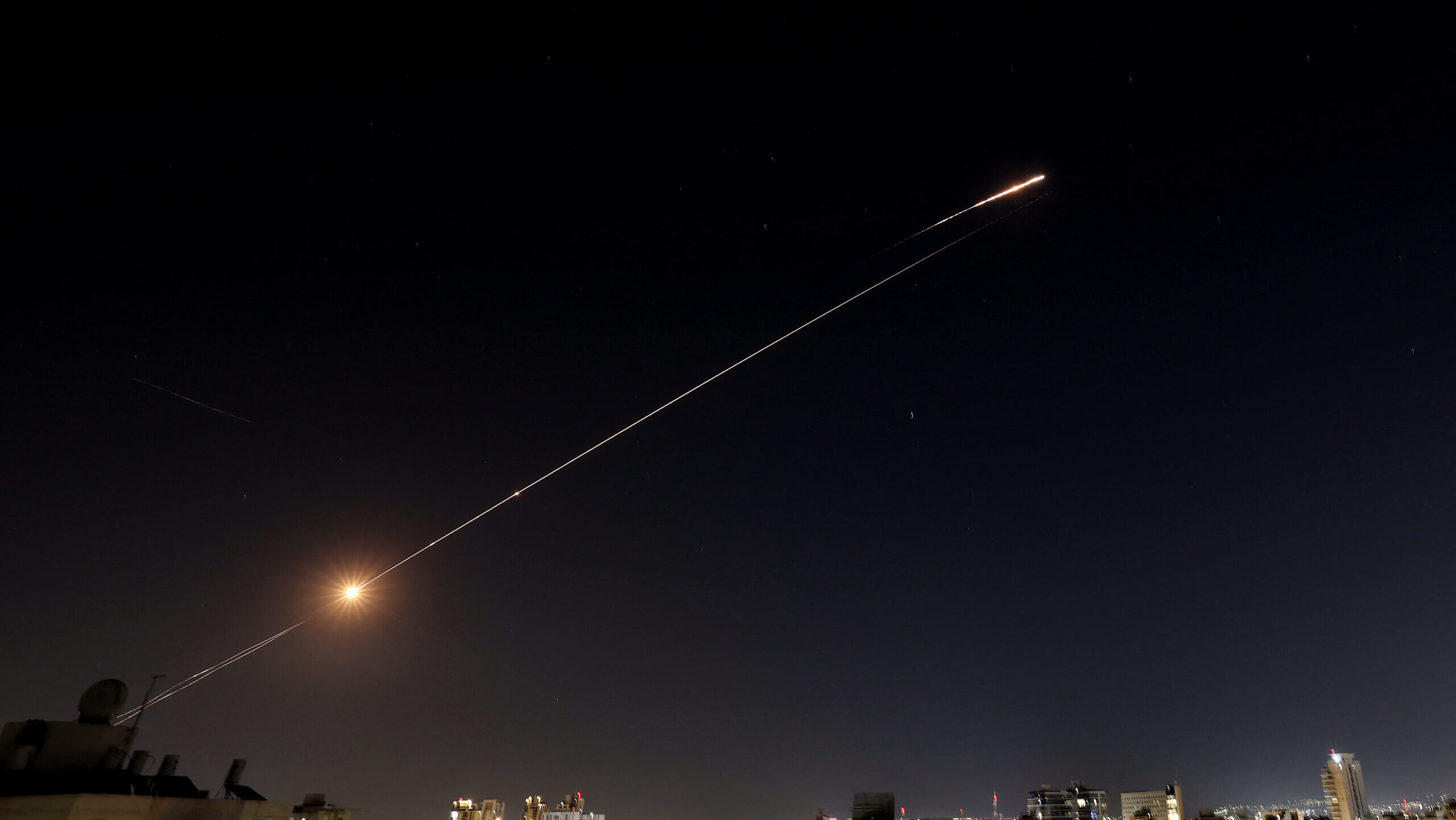
In the wake of recent Iranian attacks, the Turkish defense industry is witnessing a surge in interest from Gulf nations seeking to bolster their air defense capabilities. This uptick in demand is not merely a reaction to regional tensions but reflects a broader strategic pivot among Gulf states towards enhancing their military infrastructure in response to evolving threats. The implications for the defense and aerospace sectors are significant, as this shift could pave the way for increased collaboration between Turkish manufacturers and Gulf governments.
The geopolitical landscape of the Middle East has been marked by persistent instability, with Iran's aggressive posture prompting neighboring countries to reassess their defense strategies. The recent hostilities have highlighted vulnerabilities in existing air defense systems, prompting nations such as Saudi Arabia and the UAE to explore more robust solutions. Turkey, with its burgeoning defense industry and a proven track record in developing advanced military technologies, stands as a viable partner for these nations looking to enhance their air defense capabilities.
Turkey has been actively investing in its defense sector, developing platforms like the S-400 and the indigenous HİSAR air defense systems. These platforms not only promise to provide enhanced protection against aerial threats but also symbolize a shift towards self-reliance in defense procurement for Gulf states. As these countries seek to diversify their defense partnerships beyond traditional allies, Turkish technologies offer a compelling alternative that combines advanced capabilities with a degree of operational autonomy.
Furthermore, the increased interest from Gulf nations in Turkish air defense platforms may signify a broader trend of regional arms diversification. Historically, the Gulf states have relied heavily on Western systems, but the changing dynamics of international relations, coupled with Turkey's growing military capabilities, are encouraging them to explore new partnerships. This diversification is critical, as it allows these nations to mitigate risks associated with overdependence on a single supplier and enhances their overall security posture.
For investors and builders within the defense and aerospace sectors, this evolving landscape presents both challenges and opportunities. As Gulf nations ramp up their defense spending, there is a significant potential market for companies engaged in the development and production of air defense systems. Furthermore, the collaboration between Turkish manufacturers and Gulf governments could lead to joint ventures and technology transfers, fostering innovation and growth in the region’s defense industry.
Looking ahead, the partnership between Turkey and the Gulf states in air defense is likely to deepen, driven by mutual interests in security and technological advancement. As threats in the region continue to evolve, the demand for sophisticated air defense capabilities will only increase. The Turkish defense industry, with its commitment to innovation and strategic partnerships, is well-positioned to play a pivotal role in shaping the future of air defense in the Gulf, marking a new chapter in regional security dynamics.