AFRL’s Rapid Innovation Center Looks For Range Of Autonomous Point Defense Counters Against Group 1, 2 Drones
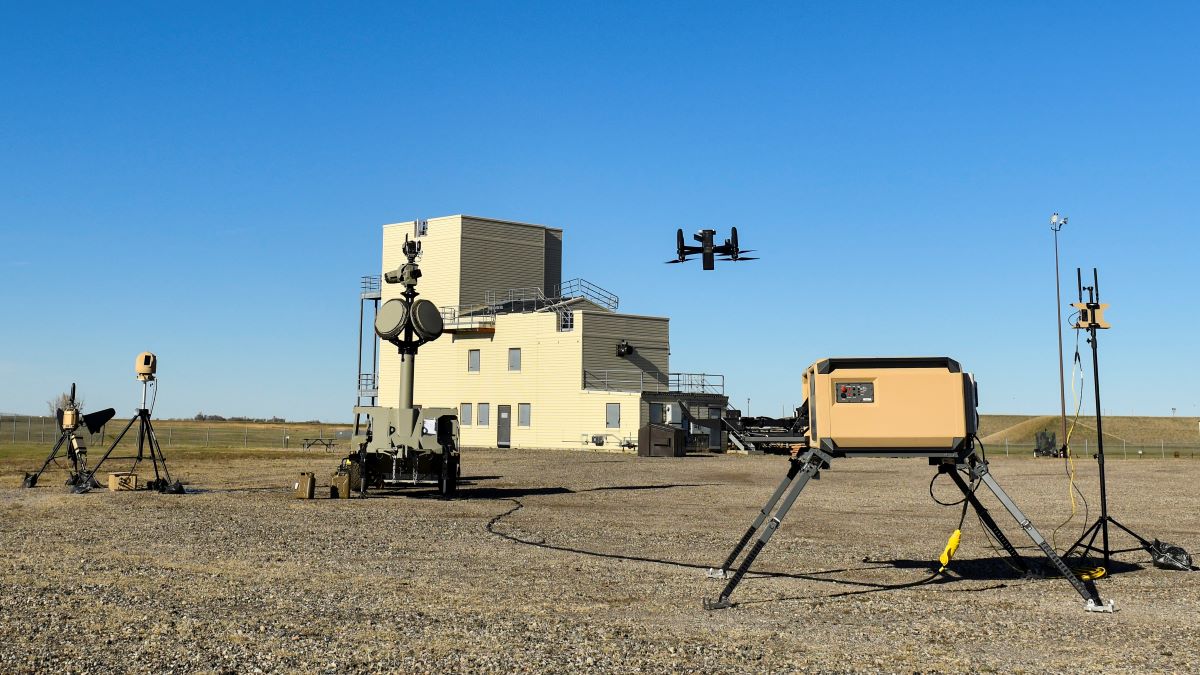
In an era where unmanned aerial vehicles (UAVs) are becoming increasingly accessible and prevalent, the challenge of countering these threats has never been more urgent. The U.S. Air Force Research Laboratory (AFRL) is responding to this critical juncture with its Rapid Innovation Center (RIC), which is actively seeking innovative solutions for autonomous point defense systems aimed at neutralizing Group 1 and Group 2 drones. This initiative highlights an evolving landscape where affordability and advanced technology converge to meet the pressing needs of national defense.
Group 1 and Group 2 drones, characterized by their small size and low operational costs, pose significant threats to military operations and infrastructure. They can be deployed in swarms, complicating detection and engagement strategies. The AFRL recognizes that traditional defense systems may not suffice against this new breed of adversaries, leading to the exploration of autonomous point defense mechanisms that can provide a quick and effective response. As the military landscape shifts towards a greater reliance on robotics and automation, the need for cutting-edge technologies to protect U.S. assets is paramount.
The RIC's focus on autonomous systems signifies a broader trend within the defense industry to embrace innovative technologies that leverage artificial intelligence and machine learning. By integrating these capabilities, the military can enhance its situational awareness and decision-making processes in real-time, enabling a proactive stance against drone threats. This approach not only ensures the protection of military personnel and equipment but also serves as a deterrent against potential adversaries who might exploit the vulnerabilities associated with drone usage.
Moreover, the emphasis on autonomous countermeasures reflects a significant shift in defense procurement strategies. The RIC is looking beyond conventional defense contractors, inviting startups and tech innovators to contribute to the development of these systems. This open call for collaboration is indicative of a growing recognition that the most effective solutions may come from outside traditional defense circles. By fostering partnerships with the tech community, the AFRL can harness a diverse pool of talent and ideas, accelerating the pace of innovation in defense technologies.
As the defense industry navigates this new terrain, the implications for builders, investors, and professionals within the aerospace and technology sectors are profound. The demand for autonomous point defense systems is poised to drive investment in related technologies, creating opportunities for growth and collaboration across various domains. Furthermore, as the military continues to adapt to the realities of modern warfare, the lessons learned from these initiatives will likely inform future strategies for addressing emerging threats in an increasingly complex global landscape.
In conclusion, the AFRL's efforts to develop autonomous point defense solutions against Group 1 and 2 drones represent a forward-thinking approach to national security. As the industry evolves, stakeholders must remain agile and prepared to embrace innovative technologies that can enhance defense capabilities. The push for autonomy in defense systems is not just a response to current threats; it is a proactive measure that will shape the future of military operations and the defense landscape for years to come.