Ursa Major unleashes HAVOC with new hypersonic missile
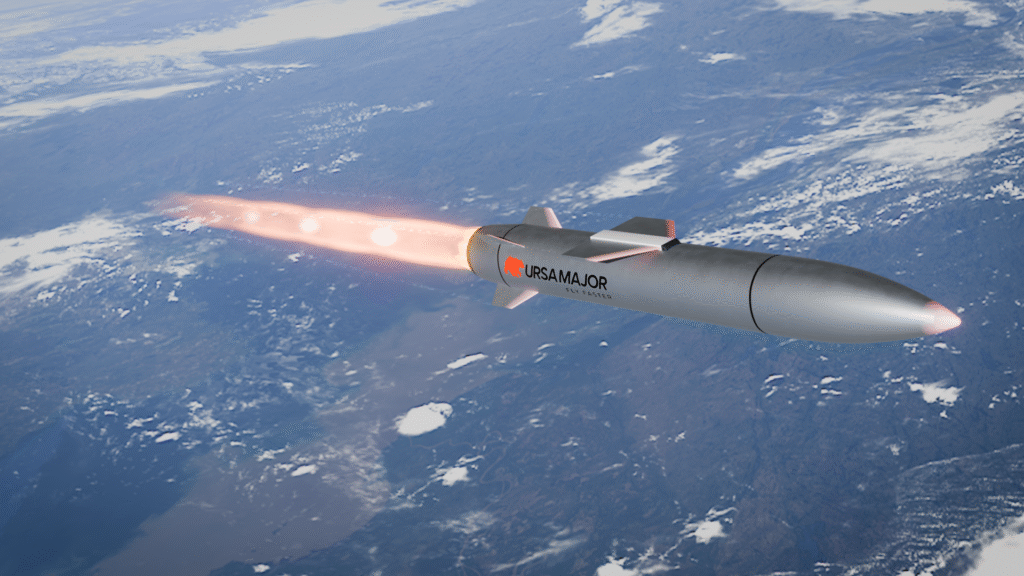
In a significant leap for hypersonic technology, Ursa Major has unveiled its latest missile system, dubbed HAVOC (Hypersonic Assault Vehicle for Offensive Combat). This development marks a pivotal moment in the defense sector, highlighting the growing race among nations to achieve supremacy in hypersonic capabilities. With the ability to travel at speeds exceeding Mach 5, HAVOC promises to redefine the strategic landscape, providing military forces with unprecedented speed and precision in targeting capabilities.
The introduction of HAVOC comes at a time when global tensions are escalating, and military arsenals are rapidly modernizing. As nations invest heavily in next-generation weaponry, hypersonic missiles have emerged as a focal point of innovation. Unlike traditional missiles that follow predictable trajectories, hypersonic weapons maneuver unpredictably, making them exceedingly challenging to detect and intercept. Ursa Major’s HAVOC represents not just an advancement in speed but also a significant enhancement in tactical versatility, allowing for rapid response and engagement in a variety of combat scenarios.
For defense contractors, investors, and policymakers, the implications of this development are profound. The defense community must now grapple with the strategic challenges posed by hypersonic technology. Traditional missile defense systems may need to be re-evaluated and upgraded to address the heightened threat level posed by missiles like HAVOC. Furthermore, the introduction of this technology could spur a new wave of investment in defense infrastructure, including advanced detection systems, radar technologies, and countermeasures designed to mitigate the risks associated with hypersonic threats.
Moreover, the emergence of HAVOC underscores the importance of collaboration between private industry and government agencies. Ursa Major's success in developing this hypersonic missile is a testament to the capabilities of the defense industrial base and highlights the critical role that innovation plays in national security. As defense budgets continue to prioritize modernization and technological advancement, partnerships that leverage private sector ingenuity will be essential for maintaining a competitive edge.
Looking ahead, the launch of HAVOC serves as both a challenge and an opportunity for the defense sector. Countries that invest in hypersonic technology will need to prepare for a new era of warfare characterized by speed and unpredictability. This reality necessitates a shift in strategic planning, operational doctrine, and defense procurement processes. For investors, the burgeoning hypersonic market presents a compelling opportunity, but it also requires a keen understanding of the geopolitical landscape and the regulatory environment governing defense technologies.
In conclusion, Ursa Major’s HAVOC is not merely a technological achievement; it is a harbinger of the future of military engagement. As hypersonic capabilities mature, the defense community must adapt to an evolving threat matrix. The next few years will be critical in determining how nations respond to this challenge and how the industry navigates the complex interplay of innovation, investment, and international security. The race for hypersonic supremacy has begun, and its outcomes will shape the future of warfare for generations to come.