How the “Doomsday Plane” contract highlights the rise of mid-tier primes
In a landscape where defense contracts often skew towards large, established primes, a recent contract for the "Doomsday Plane" has illuminated the growing influence and capabilities of mid-tier defense contractors. This development not only reflects a shift in procurement strategies but also underscores the necessity for a diversified industrial base capable of meeting the modern demands of national security. As the U.S. military and its allies seek innovative solutions to complex threats, the ascent of these mid-sized firms may well redefine the contours of the defense industrial landscape.
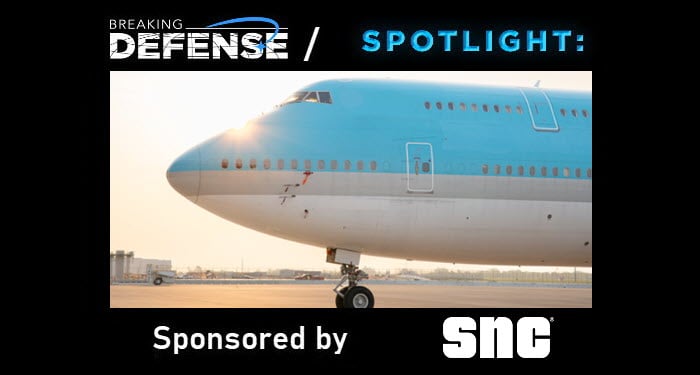
The "Doomsday Plane," officially known as the E-4B Nightwatch, is a critical component of the U.S. military's command and control infrastructure, designed to ensure continuity of government in the event of a nuclear crisis. The recent contract to modernize and maintain this aircraft was awarded not to a household name, but to a mid-tier player that has been steadily gaining traction within the defense sector. This decision marks a significant departure from the past, where contracts of such magnitude typically gravitated towards industry giants like Lockheed Martin or Boeing. The ability of smaller primes to compete effectively for such contracts speaks volumes about their growing capability and the Pentagon's recognition of their potential.
The rise of mid-tier primes can be attributed to several factors, including a strategic push from the Department of Defense (DoD) to foster competition and innovation within the defense sector. By diversifying its supplier base, the DoD can leverage unique technological advancements and fresh perspectives that may not emerge from larger companies constrained by legacy systems and bureaucratic inertia. This shift is not only beneficial for the primes themselves, but it also enhances the overall competitiveness of the defense market, ultimately leading to better outcomes for the military and taxpayers.
Moreover, the increasing complexity of modern warfare necessitates innovative solutions that many mid-tier companies are uniquely positioned to provide. With their agility and focus on niche technologies, these firms can rapidly prototype and adapt to emerging threats. This is particularly relevant as the Pentagon continues to confront challenges ranging from cyber warfare to advanced missile systems. Mid-tier contractors are often more willing to take risks on new ideas, making them essential partners in the quest for technological superiority.
As we look to the future, the implications of this shift are profound. The success of mid-tier primes in securing significant contracts like the "Doomsday Plane" modernization will likely encourage further investment and innovation within this segment of the defense industry. Investors and builders should pay close attention to this trend, as it may signal a broader transformation in the competitive landscape of defense contracting.
In conclusion, the emergence of mid-tier primes is not merely a passing trend but a critical evolution in the defense industry. As these companies continue to gain prominence, they will play an increasingly vital role in shaping the future of national security. The defense community must embrace this change, recognizing that a diverse and competitive industrial base is essential for tackling the complex challenges that lie ahead.